
Bitcoin ATMs in 2025: Elder Fraud, Fee Opacity, and the Push for Refundable Crypto
Crypto ATMs faced a reckoning in 2025: soaring elder fraud losses, lawsuits over hidden fees, police seizures, and new rules from cities, states, and Congress shaping the cash-to-crypto ramp.

Because Bitcoin
December 30, 2025
Crypto ATMs spent 2025 under a microscope. The machines remain a crucial cash on-ramp for people who prefer privacy and convenience, yet they were pulled into a broader debate about consumer harm, fee transparency, and whether “irreversible” crypto should be made functionally refundable at the point of sale.
The data forced that conversation. Americans reported $246 million in losses tied to crypto ATMs last year to the Internet Crime Complaint Center—a 99% jump from the prior year—with around 43% of losses coming from people over 60. The playbook is familiar: victims withdraw cash, buy crypto at a kiosk, and send it to impostors posing as government agents, companies, or tech support. Some variations bordered on absurd, like Massachusetts residents paying “jury duty” penalties in crypto.
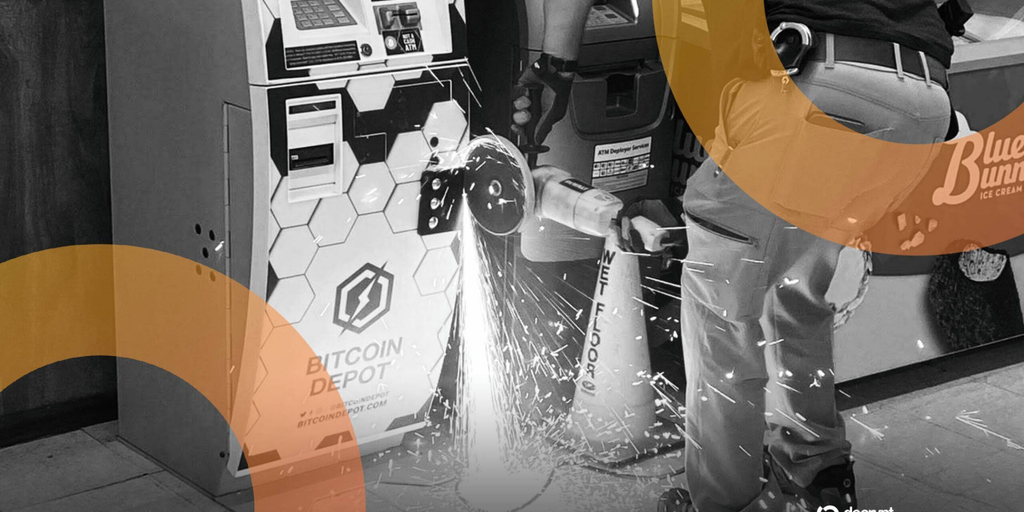
Tension built at the machine level. Law enforcement in Jasper County, Texas, literally cut into a Bitcoin Depot kiosk at a rural gas station and took $32,000 in cash; the company said the funds were theirs, not tied to a scam. Bitcoin Depot’s legal chief argued their role ends when a customer inserts cash and crypto is sent to the wallet they choose, adding that raids like these have damaged property and removed cash at least a dozen times this year.
Courts and regulators weighed in. The Iowa Supreme Court held in two cases that an operator could retain cash linked to fraud because users agreed they controlled the destination wallet. Iowa’s Attorney General sued Bitcoin Depot and CoinFlip in February, alleging they benefit from scams while charging “massive, hidden” fees. In Washington, D.C., the Attorney General sued Athena Bitcoin in September, saying residents were hit with undisclosed fees as high as 26% and arguing that on-screen warnings don’t register for terrified seniors with pockets full of cash. The companies dispute the allegations; operators highlighted ID checks and instances of refunded transaction fees.
Policy makers tested new guardrails. Senator Dick Durbin introduced the Crypto ATM Fraud Prevention Act to cap transaction sizes and require full refunds for victims who report losses within a set window. The bill has not advanced in the Republican-led Senate. States moved faster: AARP noted more than a dozen states drafted or passed measures in 2025, and by June it counted 20 states pursuing limits, warnings, refund options, or licensing. Spokane, Washington, enacted a citywide ban affecting roughly 50 kiosks. Illinois became the first Midwestern state to pass rules capping fees at 18%, requiring operator registration, and limiting new users to $2,500 per day. FinCEN issued an urgent alert warning that weak Bank Secrecy Act controls at some operators “exacerbate” illicit finance risks.
The footprint remains large: about 30,750 crypto ATMs in the U.S. as of mid-November—78% of the global total—while the worldwide count has hovered near 40,000 since 2022. Some countries went further; New Zealand outlawed the machines in June to curb criminal finance.
The core fight isn’t about whether crypto is permanent—it is—but whether cash-to-crypto rails should introduce friction that mimics a refund window. There are workable middle paths: first-time user cooling-off periods with delayed broadcast, dynamic limits for new or unverified wallets, clearer per-dollar pricing before cash is inserted, and standardized fee “nutrition labels.” A voluntary industry fund for rapid victim remediation—financed by a small levy on transactions—would lower legal risk and blunt calls for bans, while preserving a vital service for cash users.
This is as much product design as it is policy. When the user is scared, haste becomes the exploit. Slowing the flow for high-risk sessions and making costs unmissable won’t please every operator, but it’s cheaper than losing the U.S. market piecemeal to city bans and fee caps. New Zealand shows the endpoint when the industry ignores the signal.