
Bitcoin Depot Seeks Chapter 11, Shuts 9,000+ Bitcoin ATMs as State Bans and Fee Pressure Crush Unit Economics
Bitcoin Depot filed Chapter 11 in Texas and closed 9,000+ crypto ATMs. Revenue fell 49.2% in Q1 2026, stock slid 79.48%, amid state bans, caps, and rising compliance and litigation costs.

Because Bitcoin
May 19, 2026
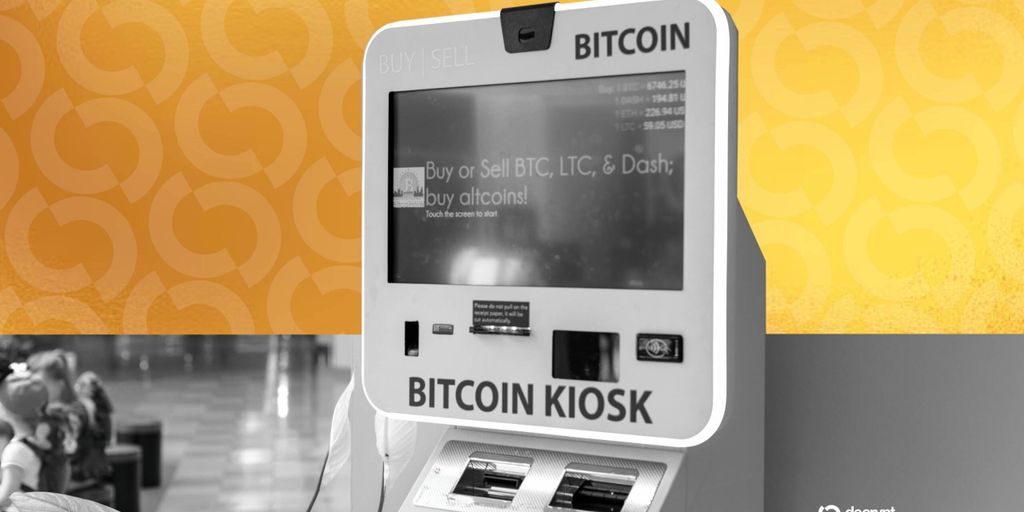
The cash-to-crypto onramp just lost its biggest footprint. Bitcoin Depot, the publicly traded operator of North America’s largest Bitcoin ATM network, filed for Chapter 11 in the Southern District of Texas and switched off its more than 9,000 kiosks across the U.S. and Canada. The court will oversee a wind-down and asset sale that includes Canadian entities, with the company planning separate restructuring proceedings north of the border.
Management framed the collapse as the result of a regulatory reset that has outpaced the business model. CEO Alex Holmes said states have tightened compliance obligations—including new per-transaction limits—and in some cases barred Bitcoin Teller Machines entirely, while litigation and enforcement costs mounted. After exploring other options, the company chose a court-supervised process to unwind operations and sell assets.
The numbers reflect the squeeze. In Q1 2026, revenue fell 49.2% year over year and the company posted a $9.5 million net loss versus $12.2 million in net income a year earlier. Shares dropped 79.48% over the past six months as uncertainty built. This year brought compounding setbacks: Connecticut suspended the firm’s money transmission license, leadership changed in March with Holmes taking the helm, and a cyber breach a month later drained $3.7 million from corporate crypto wallets. The Canadian subsidiary has also been fighting an $18.5 million award dispute, and management had effectively warned of bankruptcy as ATM revenue softened and scrutiny intensified.
Zoom out and the sector is facing the same headwinds. Indiana barred Bitcoin ATMs earlier, and Tennessee followed in April, while Canada has proposed a similar prohibition. That environment attacks the core economics of BTMs: historically, high spreads and lighter oversight helped cover cash logistics, compliance tooling, fraud remediation, and revenue sharing with retail hosts. As Echo Base CEO and restructuring advisor Roshan Dharia observed, states are increasingly compressing fees, expanding operator liability for scam-related activity, and raising expectations around monitoring and reimbursement. When you cap price, elevate fixed obligations, and add contingent liabilities, margin collapses.
The fulcrum here isn’t demand for cash-to-crypto—people still want fast, local rails—it’s the liability model. Regulators, reacting to persistent romance and impersonation scam flows through kiosks, are shifting more responsibility onto operators. That change forces BTMs to behave like bank-grade gateways: real-time sanctions and fraud analytics, stricter KYC, dynamic risk scoring, and credible reimbursement policies. Those features are technologically feasible but expensive, and they erode the spread that once made the machines viable. Ethically, raising consumer protections makes sense; commercially, the result is fewer kiosks and higher break-even volume per site. Many retail locations won’t clear that bar.
Could the model evolve? A narrower, compliant footprint might survive by partnering with banks or money transmitters, focusing on lower-risk corridors (e.g., domestic bill pay or remittances via stablecoins), and deploying biometric KYC and on-device risk engines. That path likely means fewer machines, lower fees, and insurance-backed chargeback frameworks—closer to financial infrastructure than convenience hardware. Alternatively, distribution may migrate to app-based onramps and brokered OTC, with kiosks reserved for specific use cases where cash friction is acceptable.
What matters next: - The Texas court process and any asset auction—routes, host agreements, and hardware could consolidate into better-capitalized operators. - Whether more states mirror Indiana and Tennessee or opt for fee caps and reimbursement mandates instead of outright bans. - Canada’s stance as it evaluates a proposed BTM ban. - Investor appetite for funding “banking-grade” BTM stacks with real-time transaction monitoring and insurer backstops.
Bitcoin Depot’s filing doesn’t signal the end of fiat-to-crypto; it signals the end of running that bridge on spread alone. In this regime, only platforms that price risk correctly, carry the liability, and operate with banking discipline will stick around—and they’ll look a lot less like ATMs.