
War Risk, Steady Bid: Bitcoin Leads as ETFs Log First 2026 Inflow Streak
Crypto outperformed despite geopolitical shock. Bitcoin ETFs notched a five-day inflow streak, ETH rallied, and stablecoins drew fresh attention. Key flows, prices, and risks inside.

Because Bitcoin
March 17, 2026
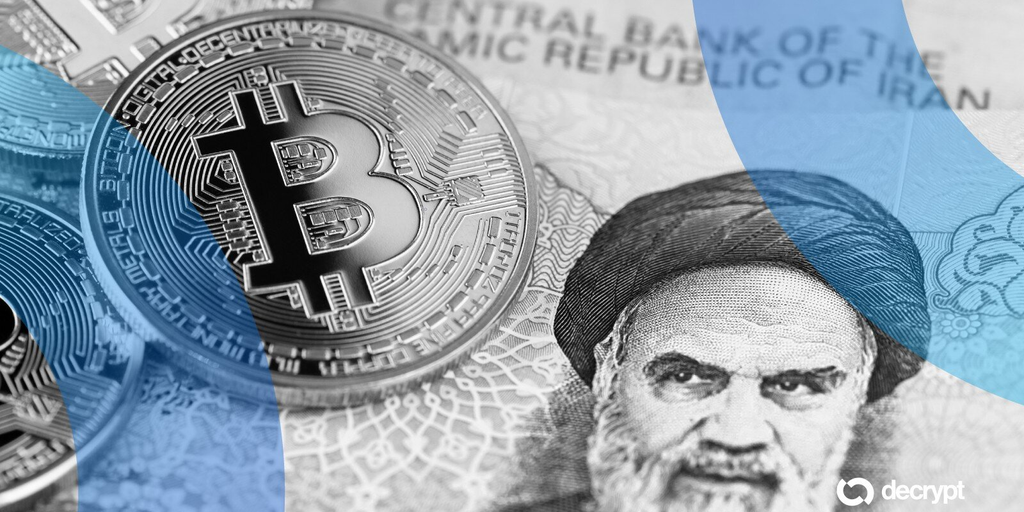
When energy markets flashed red over the weekend, crypto refused to flinch. After strikes on Iran’s Kharg Island—an export hub handling roughly 90% of its oil—Brent jumped near $105 and U.S. crude briefly topped $100 as traders modeled supply disruption across the Gulf. Many braced for a risk-off Monday. Instead, oil is easing to ~$96, stock futures are modestly green, and crypto majors are pacing the tape.
Prices and performance - Bitcoin: $73,900 (+9% on the week) - Ethereum: $2,280 (+13.9%) - Solana: $93.80 (+12.1%) - HYPE: ~$39 (+24% weekly) - Select movers: PEPE (+20%), FET (+13%), DOT (+11%), TAO (+10%) - Oil: ~$96 and falling after the weekend spike; gold flat near $5,010
One force stood out: spot Bitcoin ETFs quietly posted net inflows every trading day last week, pulling in about $763.4 million from March 9–13. It’s the first five-day inflow streak of 2026 and the first since November 2025. IBIT led on several sessions, including $185.8 million on March 10 and $143.6 million on March 13. ETH ETFs were green on four straight days, with $117 million in net inflows for the week.
The ETF bid matters more than headlines In stress regimes, flows often reveal conviction better than price. The persistence and breadth of last week’s Bitcoin ETF inflows suggest a cohort of allocators is dollar-cost-averaging through geopolitical noise, using the ETF wrapper for operational ease. That structure—creation/redemption with authorized participants, basis-tracking incentives, real-time liquidity—reduces friction for pensions, RIAs, corporates, and family offices that would otherwise hesitate at self-custody or exchange risk. It’s not just “buy-the-dip”; it’s infrastructure enabling steady demand.
Psychologically, gold’s flat print versus Bitcoin’s strength tells you how some investors are reframing risk: a programmable, verifiable monetary asset doesn’t replace commodities, but it increasingly competes with them when policy, sanctions, and energy routes get messy. Business-wise, consistent ETF inflows can compress volatility by turning episodic enthusiasm into a repeatable allocation process. That can have second-order effects—lower funding spikes, tighter basis, healthier derivatives term structure—if it persists. Ethically, wider access through regulated wrappers reduces the gatekeeping that historically favored insiders while still respecting investor protections many institutions require.
Flows, treasuries, and balance sheets - Spot Bitcoin ETFs: $180 million net inflows Friday; ~$763.4 million for the week - ETH ETFs: $27 million Friday; $117 million on the week - MetaPlanet: announced a $255 million private placement to buy more Bitcoin
Ethereum’s treasury dynamics were active too. The Ethereum Foundation sold 5,000 ETH OTC to Tom Lee’s BitMine for about $10.2 million at an average $2,042.96 per ETH. The Foundation said proceeds support core operations, protocol R&D, ecosystem development, and grants. BitMine—described as the largest ETH treasury firm—held 4,534,563 ETH as of the prior Monday, then valued near $9.41 billion, roughly 4% of the supply. An OTC route avoids slippage, but it also spotlights concentration optics; foundations balancing runway with decentralization messaging need crisp disclosures. The Foundation separately emphasized decentralization and self-sovereignty in a new 38‑page document.
Payments, stablecoins, and rails Billionaire investor Stanley Druckenmiller said he expects stablecoins to anchor payments within 10–15 years, calling them efficient and cost-effective while describing much of crypto as “a solution looking for a problem.” Stablecoin supply is around $315 billion, up more than $180 billion since early 2024. Momentum is showing up in data: Mizuho raised its price target for Circle as USDC surpassed USDT in adjusted transaction volume for the first time. If stablecoin throughput keeps compounding, interchange economics and cross-border settlement could look very different—regulatory clarity will determine pace.
Policy, markets, and venues - Kraken’s SPAC is shopping for a crypto-native acquisition up to $10 billion, eyeing stablecoins, DeFi, and payments - The crypto lobby has spent $271 million on the 2026 midterms, with more attack ads planned against lawmakers opposing industry-friendly bills - Hyperliquid was profiled for attracting traders to its 24/7 markets
Meme coins and NFTs - Meme majors: DOGE (+4%), SHIB (+5%), PEPE (+20%), TRUMP (−3%), PENGU (+8%), SPX (+7%), FARTCOIN (+15%); USELESS (+16%) led on-chain movers into a quiet weekend - NFTs: Punks (−1% to 28.25 ETH), Pudgy (+1% to 4.32 ETH), BAYC (−1% to 5.35 ETH), Hypurr steady at 436 HYPE; Creepz (+37%) stood out
Governance and protocols - MoonPay added Ledger hardware wallet signing to its CLI wallet for MoonPay Agents, enabling on-device verification of AI-initiated transactions - Sky DAO slashed its token buyback program by 87% to build stablecoin reserves - AAVE DAO proposed cutting its buyback program by 40% amid declining revenues
Politics, reputational risk, and speculation collided in Argentina. Investigators reportedly recovered from lobbyist Mauricio Novelli’s iPhone a draft outlining an alleged $5 million, three-part payment structure linked to President Javier Milei’s promotion of the LIBRA token. Reports say tranches included an upfront payment, a second tied to Milei endorsing Hayden Davis, and a final linked to a formal blockchain or AI advisory agreement. LIBRA—once briefly above a $7 billion valuation—now sits near $1 million, down well over 99.9%, and is widely associated with the 2023–2025 meme cycle’s collapse. Allegations still require adjudication, but they’re a reminder that branding can’t permanently mask weak token economics.
What I’m watching this week: whether ETF inflows hold if oil whipsaws, how ETH ETF demand tracks the rate path, funding and basis normalization in futures, and any spillover from policy headlines into stablecoin market share. If the “steady bid” survives more macro shocks, it becomes a feature, not a blip.