
Canada Moves to Ban Bitcoin and Crypto ATMs Nationwide, Citing Rampant Scam Activity
Ottawa proposes a sweeping ban on Bitcoin and crypto ATMs to curb scams, keeping only in-person cash-to-crypto at licensed MSBs. Here’s how this reshapes access, fraud risk, and operators.

Because Bitcoin
April 29, 2026
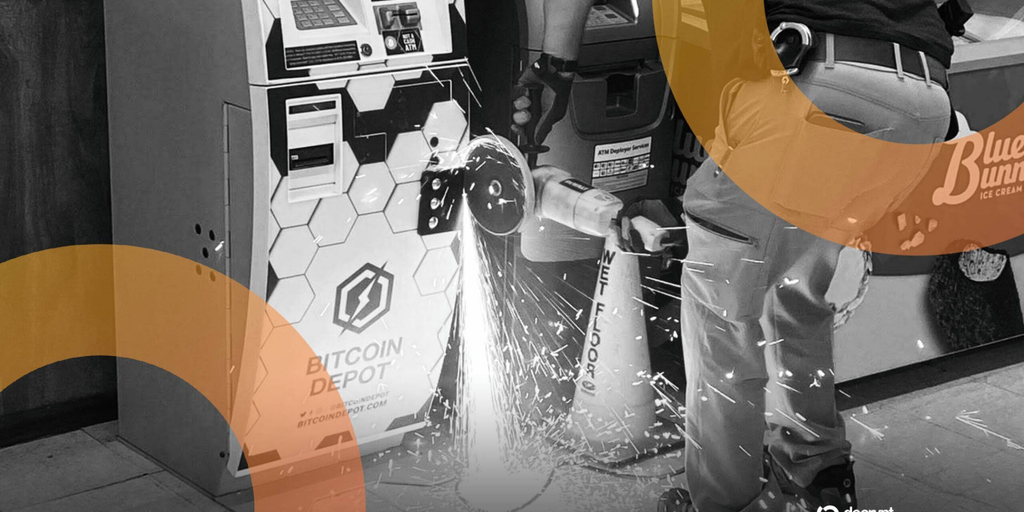
Canada is preparing a decisive shift in how retail users convert cash into digital assets. In an economic update, the Department of Finance proposed a nationwide prohibition on Bitcoin and crypto ATMs, framing the kiosks as a leading conduit for scammers targeting seniors and other vulnerable groups. The plan would still permit Canadians to buy crypto with cash at brick-and-mortar money services businesses (MSBs) where staff are present.
What’s changing—and why it matters - Scope: A full shutdown of self-service crypto kiosks across Canada, superseding patchwork provincial regimes. Quebec, for instance, has long required crypto ATM operators to register as MSBs, but a federal ban would override such frameworks. - Access path preserved: In-person cash-to-crypto would remain legal at physical MSBs with employees on site during business hours, responsible for compliance and operations. - Enforcement backdrop: The government highlighted FINTRAC’s recent actions, including revoking 84 MSB registrations in March; roughly 70 of those firms dealt in the “transfer of virtual currency,” with names such as ATM Token Financial listed by the regulator.
The scale of the market—and the fraud problem Canada hosts nearly 4,000 crypto ATMs, per Coin ATM Radar—second only to the United States, which has more than 30,000. Over a quarter of Canada’s machines cluster around Montreal. Scam patterns are frustratingly consistent: fraudsters pose as government agents, police, or tech support, apply pressure, then route victims to a kiosk to convert cash and push funds to a criminal wallet. Fresh U.S. data underscores the vector’s potency: the FBI said this month that Americans aged 60 and over lost $257 million to crypto-ATM-related scams last year, a 58% year-over-year jump. Several jurisdictions are already reacting—Indiana has outlawed crypto ATMs, Tennessee’s ban is slated to take effect July 1, and New Zealand moved against kiosks last year to stifle money laundering.
The core trade-off: kiosk convenience vs. human friction The policy’s design choice—ban the machine but preserve in-person MSBs—leans on one idea: staffed environments introduce cognitive friction that scammers struggle to overcome. Urgency and authority pressure techniques lose force when a trained employee intervenes, asks questions, and flags red flags. From a business lens, that shifts revenue from kiosk operators and convenience retailers toward licensed storefront MSBs and exchanges, likely consolidating the on-ramp market and raising operating costs per transaction. Ethically, the approach favors harm reduction for the most at-risk users, though it narrows low-friction access for those who prefer cash-based, self-serve rails.
Could smarter machines have sufficed? Technologically, ATMs could implement stronger controls—stricter KYC, lower first-time limits, velocity checks, dynamic risk prompts, age gating, video verification, and scam-intervention flows coordinated with law enforcement blacklists. Some operators have rolled out versions of these tools, yet outcomes have been uneven. Regulators appear to be concluding that deterministic guardrails plus a human checkpoint outperform kiosk-only friction in high-pressure scam scenarios.
Second-order effects to watch - Displacement: Some users may pivot to peer-to-peer cash trades, which can carry higher counterparty and personal safety risks than supervised MSBs. - Cross-border leakage: With the U.S. still hosting over 30,000 machines, border communities could see spillover demand, though the practical impact may be contained. - Compliance tightening: Expect FINTRAC to keep pressing MSBs; March’s 84 license revocations signal an enforcement cadence that won’t slow if a ban proceeds.
Policy rarely gets elegant in this corner of crypto. This proposal prioritizes reducing real-world losses over preserving kiosk convenience. If enacted, operators will either migrate to staffed models or exit. Users who genuinely need cash-to-crypto access will still have it—just with a human in the loop and fewer impulsive transactions under duress.