
Dogecoin Outpaces Bitcoin as BTC Nears $74K; ETF Flows Lag While Exchange Liquidity Surges
Dogecoin jumps ~15% as Bitcoin hits ~$74K and Ethereum gains 10%. Despite modest DOGE ETF inflows (~$7M), spot volumes roar; PEPE, BONK, and FARTCOIN also climb, TRUMP lags.

Because Bitcoin
March 4, 2026
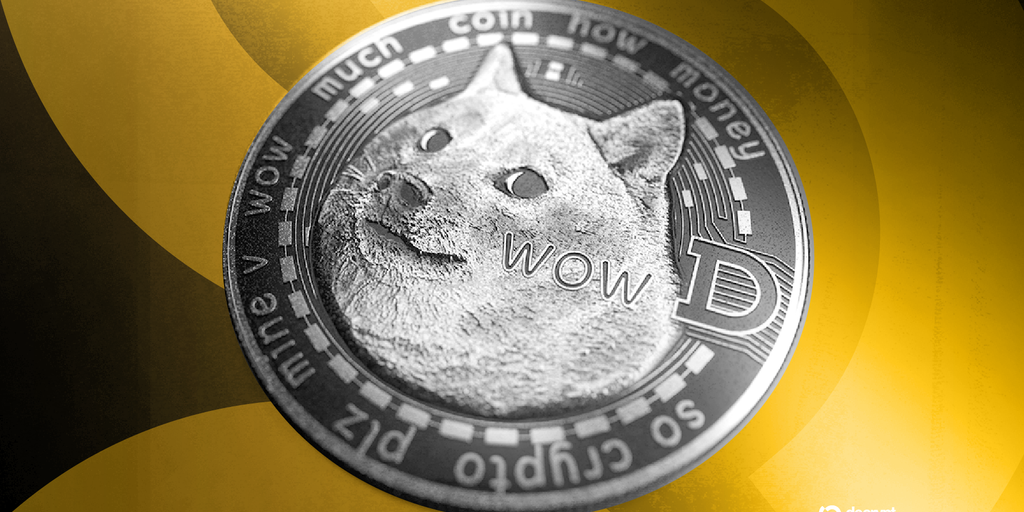
Dogecoin flipped the script today. As Bitcoin pushed toward $74,000, DOGE outperformed the majors, rallying nearly 15% over the last 24 hours and reclaiming ground it had shed in recent weeks. The move trims Dogecoin’s one-month drop to about 6% with spot prices around $0.102, keeping the meme coin entrenched in crypto’s top 10 by market capitalization.
Bitcoin climbed roughly 7.7% to $73,961, while Ethereum advanced 10% to $2,183. That beta stack is familiar—BTC leads, ETH follows, and high-beta assets stretch gains. But the intriguing part isn’t the scoreboard; it’s where the liquidity is actually coming from.
The DOGE market is still driven by centralized exchanges, not ETFs. U.S.-listed spot Dogecoin ETFs—approved late last year for issuers including Bitwise and Grayscale—have collectively drawn just over $7 million since launch. By contrast, Bitcoin and Ethereum spot ETFs have absorbed more than $55 billion and $11 billion, respectively, since 2024. Despite that yawning gap, DOGE’s tape lit up: the DOGE-USDT pair on Binance cleared more than $197 million in the past day, about 50% higher than the exchange’s BNB-USDT volumes.
That divergence says more about routing of crypto risk than it does about product availability. In crypto, liquidity often first expresses through offshore spot and perp venues, then filters into regulated wrappers later—if at all. DOGE behaves like a high-beta proxy to BTC during upside breakouts, where traders crowd into familiar, deep order books with fast execution. The ETF is a credibility signal for some investors, but it has not yet become the demand engine. Until institutions treat meme exposure as an allocable sleeve, retail-driven spot and derivatives flow will continue to set the price.
There’s also a reflexive layer here. Meme assets respond quickly to narrative and momentum. When Bitcoin flirts with a fresh range, traders seek leverage to the move; established memes with liquidity—like DOGE—become the vehicle. That explains why the broader meme category rose only around 5% on the day, while select names ran harder: Ethereum-based PEPE jumped 8.8% to $0.00000535 and Solana’s BONK added 7.5% to $0.0000056. Liquidity concentrates in the leaders; the tail follows selectively, if at all.
Legacy cycle artifacts underscore the risk. Fartcoin advanced nearly 12% to $0.18, yet it remains roughly 93% below its January 2025 peak of $2.48. On the day Fartcoin topped, President Trump launched his official TRUMP token on Solana. Today, TRUMP inched up 1.2% to $3.46—still more than 95% beneath its all-time high. Narrative alone doesn’t sustain price without durable liquidity and ongoing participation.
Back to DOGE: leadership among the top 100 tokens today reflects more than memetics. It reflects a market structure where: - Bitcoin sets the macro tone. - Participants rotate into liquid beta for acceleration. - Exchange depth and perps dictate the near-term path. - Regulated wrappers trail unless they solve a real access or mandate constraint.
For issuers, the business implication is straightforward: a spot DOGE ETF may broaden distribution over time, but flow won’t arrive merely because the product exists. Asset gathering tends to favor assets with institutional fit and clear roles in portfolios. For traders, the signal to watch is not headline product approvals; it’s real-time volumes, funding rates, and whether BTC’s momentum holds above key levels.
If Bitcoin sustains this push, DOGE can continue to behave like amplified BTC. If the move stalls, the same liquidity that accelerates upside often unwinds faster in memes. In this regime, the market is voting with its order books, and they’re still pointing to exchanges—not ETFs—as the center of gravity for Dogecoin.