Eric Adams Unveils ‘NYC Token’ in Times Square, Framing It as a Commemorative Coin to Fund Anti-Hate Causes
Eric Adams announced an NYC Token in Times Square, pitching a “commemorative” coin to combat antisemitism and fund nonprofits, HBCUs, and scholarships—sparking copycat coins and ethics debate.

Because Bitcoin
January 12, 2026
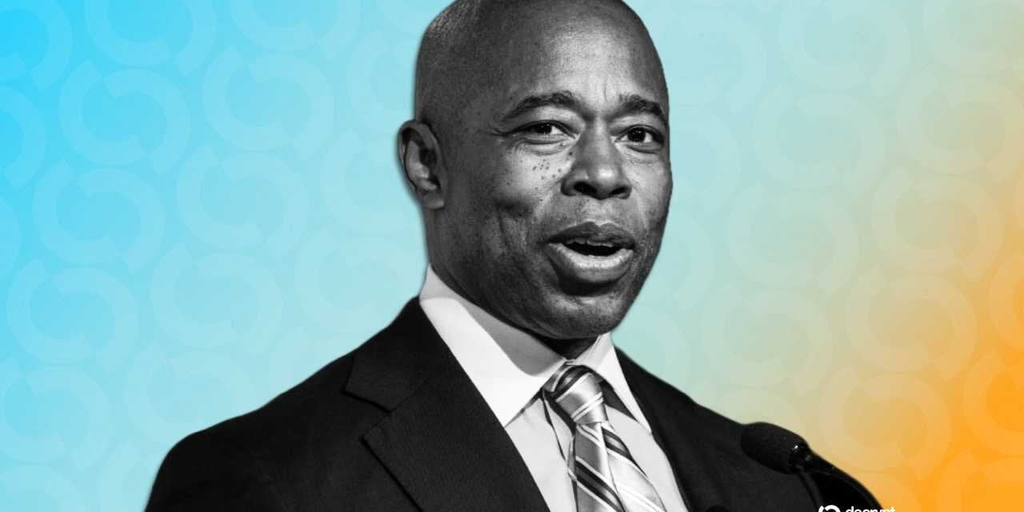
Eric Adams is leaning back into crypto. In Times Square on Monday, New York City’s recently departed mayor announced “NYC Token,” describing it as a commemorative digital asset intended to bankroll initiatives against antisemitism and anti-Americanism, while exposing kids to blockchain education. Wearing a Fendi scarf, long blue coat, and a cap hinting the ticker will be “NYC,” he said the project has not launched yet and that he isn’t taking a salary “at this time,” leaving the door open to revisit compensation later. A clip posted to X by New York Daily News reporter Josie Stratman captured the remarks.
On Fox Business the same day, Adams said a substantial share of funds raised would go to nonprofits, historically Black colleges and universities, and scholarships for New York City students from underserved communities. The network framed it as “NYC’s first-ever commemorative coin.”
The pitch taps a growing playbook: political figures launching tokens to mobilize supporters and channel capital quickly. Trump’s meme coin rollout before his inauguration last year showed how fast an audience can be converted into on-chain flows. It also triggered unease among lawmakers who fear tokens tied to public officials can become vehicles for undue influence. With a major crypto market structure bill nearing a key markup vote on Thursday, Sen. Adam Schiff (D-CA) has pushed for ethics rules to curb public officials from profiting off crypto affiliations, per Punchbowl News.
If Adams wants this to work beyond a headline, credibility architecture matters more than branding. “Commemorative” is an intentional label—it signals no promise of profit and tries to distance the token from securities expectations. But the term alone doesn’t solve trust. Investors and donors will look for concrete mechanics that reduce asymmetry: - On-chain, real-time disclosures of token treasury balances and disbursements to nonprofits, HBCUs, and scholarship programs - Independent custody or multisig with diverse signers; clear policies on any future salary or administrative fees - Immutable attestations tying the official logo/ticker to a verified issuer wallet to combat spoofing - A defined supply, fee schedule, and distribution policy that precludes stealth allocations to insiders
Without these guardrails, markets will fill the vacuum. Hours after Adams spoke, more than a dozen copycat tokens appeared on meme coin launchpads like Pump.fun, recycling his displayed logo and ticker. That reaction is predictable—name-based memecoins thrive on narrative capture—and it dilutes the brand before the “real” asset even exists. Verifiable identity, on-chain proofs, and early exchange or wallet whitelisting could reduce that confusion.
Adams’ crypto bona fides are familiar. In 2022, he converted his first three mayoral paychecks into Bitcoin and Ethereum and later hosted the inaugural NYC Crypto Summit, unveiling an advisory council aimed at keeping the city at the forefront of digital assets. He has argued the industry was demonized during his tenure, which overlapped with FTX’s collapse and Sam Bankman-Fried’s conviction. His own legal cloud—an indictment in late 2024 alleging $100,000 in illegal gifts, dismissed with prejudice this April at the DOJ’s request under President Trump—adds reputational noise that a transparent token design would need to neutralize.
Political backdrop matters too. Democratic Socialist Zohran Mamdani was sworn in as New York City’s mayor two weeks ago, marking a turn in City Hall just as Adams re-enters public life from the private side. Framing NYC Token as education-first and philanthropy-driven can resonate, but the optics of “no salary now, maybe later,” coupled with a cause-based coin, require exceptional disclosure to avoid the perception of monetizing civic identity.
Tokens tied to public figures often succeed or fail on execution hygiene, not slogans: clean contracts, auditable flows, and credible governance. If NYC Token goes beyond memorabilia and builds that infrastructure from day one, it could set a standard many in this lane have struggled to meet. Adams could not be reached for comment at publication time.