
Exodus Pay Brings Self-Custody Spending to Five U.S. States, With Nationwide Rollout Imminent
Exodus launches Exodus Pay, letting users spend Bitcoin and USD stablecoins from a self-custody wallet via Visa and Apple Pay. Live in CA, NY, FL, TX, NE, with U.S.-wide expansion in weeks.

Because Bitcoin
April 10, 2026
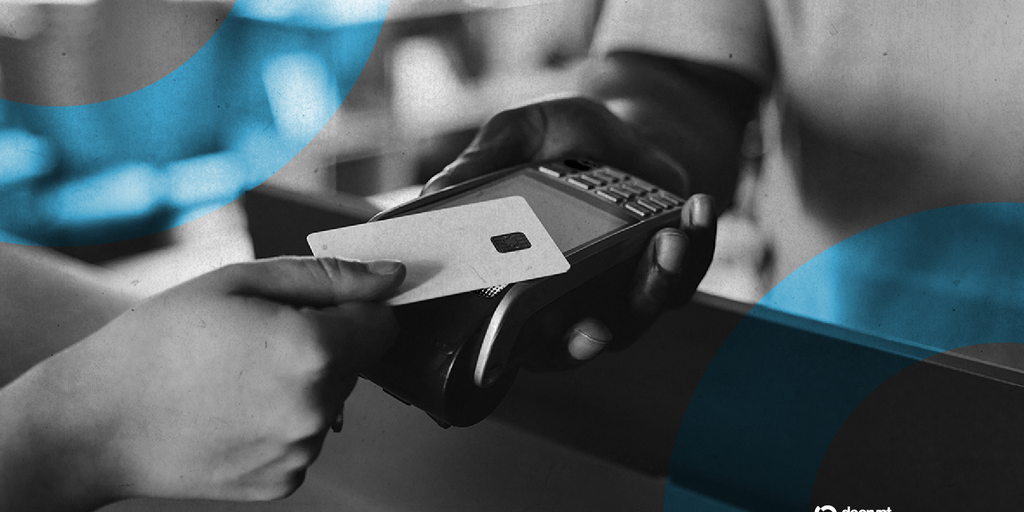
Exodus is moving its wallet from vault to checkout. The publicly traded, Omaha-based provider has begun rolling out Exodus Pay, a feature inside its existing app that lets users spend crypto—specifically Bitcoin and USD-backed stablecoins like USDC—at any merchant that accepts Visa or Apple Pay. The launch starts in five states—California, New York, Florida, Texas, and Nebraska—with a nationwide expansion planned over the next several weeks.
This is a self-custody play aimed squarely at everyday payments. Exodus says users keep control of their funds; the company cannot freeze accounts, reverse transactions, or gate purchases—common pain points in third-party payment apps, as CEO and co-founder JP Richardson noted. The service lives natively within the current wallet; no separate app is required, and existing users receive Exodus Pay via an automatic update.
Two adoption levers stand out. First, Exodus is subsidizing network fees—removing a frequent “gotcha” at the point of sale. Second, the app supports transfers using phone numbers, abstracting away addresses and chain details. Richardson framed the effort as eliminating the historical friction of seed phrases and convoluted networks for people who just want to pay for groceries or send money to friends.
The initial geographic cap reflects regulatory obligations; for now, access is limited to the five states above. Richardson expects nationwide availability within weeks and has targeted mid-April for U.S. users to see Exodus Pay appear in-app. The push comes as stablecoins see growing real-world payments traction and as wallets from Coinbase, BitPay, and PayPal have already enabled crypto and stablecoin spending in various forms.
What matters here is the user-experience trade the company is attempting: bring self-custody’s sovereignty to mainstream checkout flows without reintroducing the familiar intermediaries’ choke points. Tapping into Visa and Apple Pay acceptance rails solves the acceptance problem on day one; subsidizing fees and phone-number transfers dull the cognitive load that has historically blocked non-crypto-natives. That combination may shift behavior at the margin—people often follow the smoothest path when paying.
There are strategic risks and advantages. Subsidies are a customer acquisition cost; they buy habit formation but must be managed against unit economics and on-chain fee volatility. Using established merchant rails accelerates time-to-market but requires tight compliance and explains the phased state rollout. On control, Exodus is betting that users will value not being subject to freezes or transaction reversals, even as they inherit the responsibility that comes with self-custody. That’s a meaningful psychological pivot: empowerment resonates, but recoverability and support expectations don’t vanish.
As a business move, broadening from storage to spending increases wallet utility and defensibility. If Exodus can keep the UX invisible—no seed phrase anxiety at checkout, no fee surprises—and maintain predictable execution across networks, it can convert passive holders into active spenders. If it stumbles on support, fraud handling, or fee policy clarity, users will default back to custodial apps with more familiar guardrails.
Exodus listed on the New York Stock Exchange in 2024, and this release aligns with a maturing, regulated posture without surrendering the core value proposition of self-custody. The real test arrives with national availability: can self-custody feel as effortless as Apple Pay while preserving the autonomy that drew people to crypto in the first place?