
Energy Shock Keeps Fed on Hold at 3.50%–3.75%; Bitcoin and Ethereum Slip as Dots Edge Hawkish
Fed leaves rates unchanged for a second meeting, flags Middle East risks, and projects one 2026 cut. Bitcoin falls to ~$71,870, Ethereum to $2,215 amid oil-driven jitters.

Because Bitcoin
March 18, 2026
Markets didn’t need a surprise to wobble—just a reminder that energy is the variable the Fed can’t tame. With oil-sensitive headlines flaring and a fragile labor backdrop, policymakers left the federal funds rate unchanged at 3.50%–3.75%, extending the January pause after last year’s easing. Crypto reacted first, as it often does when macro noise spikes.
Here’s the tape: - Bitcoin traded near $71,870, down 3.6% on the day, yet still up 1.6% over the past week (CoinGecko). - Ethereum fell 5.3% to $2,215, while holding a 7.2% weekly gain.
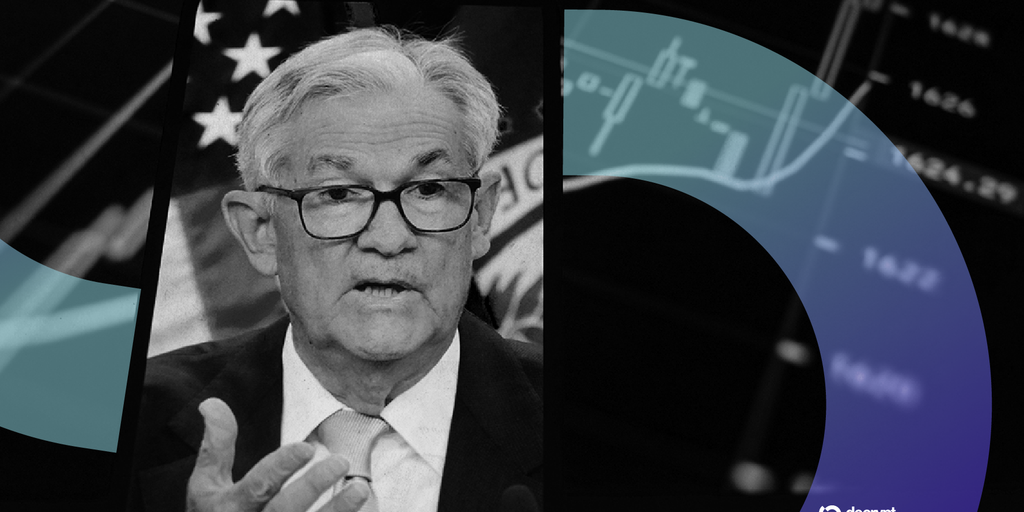
The Federal Open Market Committee split for a sixth straight meeting. Most members backed a hold; Stephen Miran argued for a 25 bp cut. The statement characterized inflation as still somewhat elevated, with job gains subdued and unemployment rising to 4.4% in February. Guidance stayed data-driven.
Two things matter for crypto here: the energy path and the rate path. The Fed typically emphasizes underlying inflation (core PCE strips out food and energy), but it can’t ignore a sustained oil shock. Headline PCE rose 3.1% year-over-year for the 12 months through January, up from 3.0%. Policymakers nudged their median 2026 core PCE projection to 2.7% from 2.5% in December, and kept the end-2026 funds-rate median at 3.4%. The dots still imply one cut this year, with several officials moving from two to one—an incremental hawkish lean.
Powell called out the risk directly: higher energy prices likely lift overall inflation, and it’s too early to judge magnitude or persistence. That uncertainty isn’t abstract. Earlier today, Bitcoin fell alongside U.S. equities on reports that the world’s largest gas field was struck in Iran—exactly the sort of supply shock that can reprice breakevens, term premia, and risk appetite in minutes.
Why this single variable dominates crypto near-term: - Pricing channel: Energy spikes pressure headline inflation and complicate the glidepath to target, delaying cuts and keeping real rates bitey. That compresses multiples for long-duration risk and tightens crypto’s funding conditions. - Liquidity channel: A “higher for a bit longer” stance reduces the probability of easier dollar liquidity. Basis narrows, perps funding turns choppier, and momentum traders step back rather than buy dips mechanically. - Narrative channel: Crypto traders respond first to geopolitically linked volatility because it’s clean, binary, and headline-driven. Even with the Fed focusing on core, markets front-run the second-round effects (transport, logistics, sentiment).
The geopolitical frame is explicit in the Fed’s communication. Policymakers said the outlook is clouded by developments in the Middle East, including the U.S.-Israel war with Iran, which has driven energy prices higher in recent weeks. The economic implications were described as uncertain—a recognition that the constraint is supply-side and policy can only lean against the demand response.
Leadership and politics add another layer to risk premia. This was Jerome Powell’s penultimate policy announcement; his term ends in May. Former Fed Governor Kevin Warsh is expected to succeed him, pending Senate confirmation. Meanwhile, pressure from President Donald Trump to lower rates has persisted through his second term. Complicating matters, Powell has faced a criminal probe tied to renovations at the Fed’s headquarters; a judge last Friday blocked Justice Department subpoenas, saying the government provided “essentially zero evidence.”
For traders, the setup is straightforward even if the path isn’t. A steady 3.50%–3.75% policy rate, one penciled-in 2026 cut, softening labor data, and core inflation still above target argue for patience rather than hero trades. Crypto can rally on relief if energy cools, but sustained supply shocks likely cap risk until funding loosens. The market heard a wait-and-see central bank; it will trade a show-me tape.