HIVE Targets $45M a Year From Sweden AI Colocation—but the 10-Year Lease Is Still Only an LOI
HIVE says its 32MW Boden site could bring in $45M annually from AI colocation, but financing, a definitive lease, and major GPU upgrades must land before cash flows materialize.

Because Bitcoin
November 11, 2026
HIVE Digital is pitching a cleaner earnings mix, but the hinge is obvious: turning a nonbinding promise into durable cash flow. The Bitcoin miner says its 32-megawatt “Big Boden” campus in Sweden could deliver $45 million per year from an AI colocation customer under a deal that contemplates a term of up to 10 years. The letter of intent announced in June remains nonbinding, and management is still working through the hard parts—financing, customer protections, and final lease language.
What’s on the table - Structure: A long-term colocation arrangement with an unnamed, investment-grade Swedish technology firm. - Status: Still an LOI. Executives are negotiating deposits, termination rights, and other provisions that directly influence cost of capital. A lender’s consultant visited the site last week as part of credit diligence. - Financing: HIVE plans to seek funding once a definitive lease is signed, potentially via corporate bonds. No timeline for completion was given.
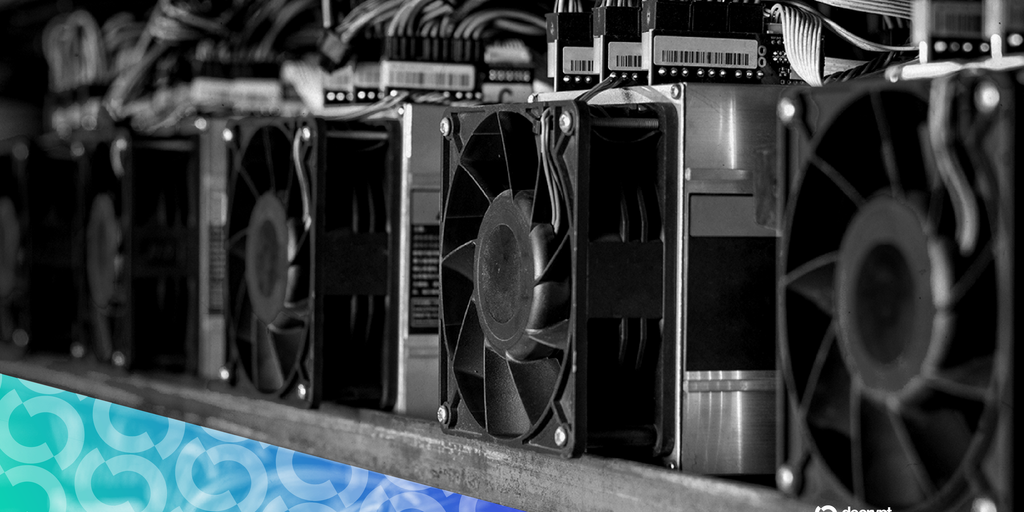
Under the hood in Boden The facility will need a significant retrofit to carry AI workloads at scale. HIVE intends to support up to 10,000 Nvidia GB300 GPUs with liquid cooling and high-density racks. Despite a 32MW grid connection, the proposed customer would receive roughly 25MW of usable compute capacity, with the remainder allocated to facility overhead. The site previously served as a GPU compute center for Ethereum and is being repositioned for AI.
A realistic read on revenue quality Investors frequently anchor to headline “run-rate” figures, but the spread between contracted and live revenue tells the real story. HIVE now reports $185 million in contracted GPU-cloud annualized run-rate revenue; only $40 million is currently live, with the balance tied to capacity that has not yet entered service. The company is targeting about $700 million in total high-performance computing annualized revenue by the end of 2028, a figure that explicitly depends on additional financing, construction, and customer commitments. The $45 million from Boden is separate from that $185 million run-rate.
This is where the Boden negotiations matter. Strong deposits and tighter termination terms can lower borrowing costs and reduce project risk; loose terms do the opposite. Management has said they won’t push a quick signing just to show top-line growth, which is the right instinct when debt markets are rewarding contract durability, not press releases.
Is $45M on 25MW credible? Back-of-the-envelope, $45 million on approximately 25MW equates to about $1,800 per kW per year (~$150 per kW per month). For high-density, liquid-cooled AI colocation in a Nordic market with reliable power, that pricing does not look stretched, assuming the package includes power, space, and cooling with reasonable service levels. The heavier lift is execution: converting an Ethereum-era footprint to GB300-ready density, commissioning on schedule, and aligning power usage with customer ramp.
Why this pivot matters for a miner Moving beyond pure Bitcoin mining can smooth earnings that often swing with hashprice volatility. HIVE has already signed a three-year AI computing agreement with Bell Canada and Cohere covering 2,304 Nvidia GPUs, validating demand for its GPU-cloud offering. The Boden project continues that shift, but credibility will be earned through milestones, not aspirations.
What to watch next - A signed, definitive lease (and the size of customer deposits) - Termination and step-in rights that support bond financing - Retrofit capex, liquid cooling design choices, and energization timelines - The pace at which contracted HPC revenue transitions from “run-rate” to “live”
When those pieces lock in, the $45 million narrative turns from a target into a cash-flowing asset. Until then, treat it as pipeline—with real potential and real execution risk.