
Iran’s 2025 Crypto Flows Reached $7.78B as Protests Sparked a Bitcoin Self-Custody Pivot
Chainalysis says Iran’s crypto flows hit $7.78B in 2025 as protests and an internet blackout spurred Bitcoin withdrawals, while IRGC-linked wallets dominated late-year inflows.

Because Bitcoin
January 16, 2026
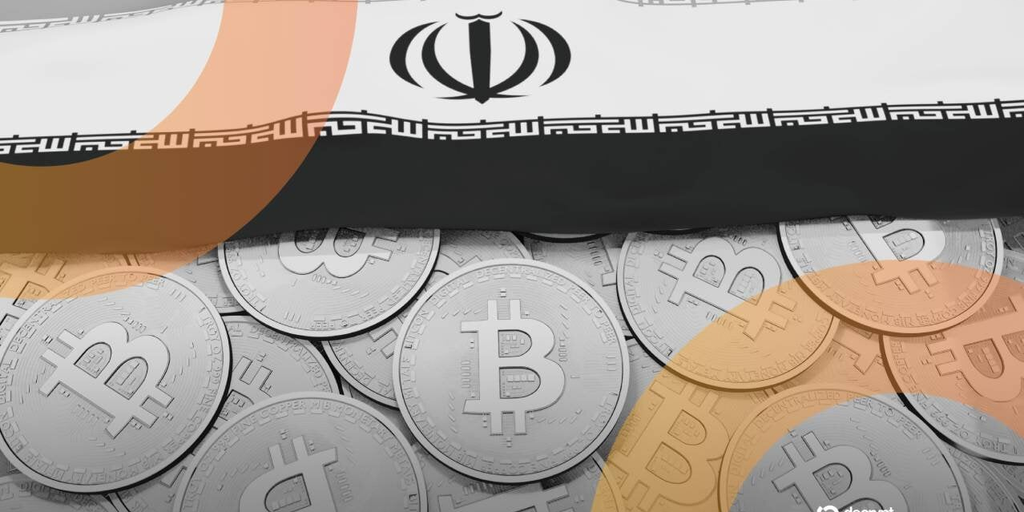
Iran’s crypto story in 2025 wasn’t just bigger—it changed shape. Chainalysis estimates roughly $7.78 billion in activity tied to the country last year, outpacing 2024. The inflection point came during late-December protests and a nationwide internet blackout, when exchange outflows to personal wallets spiked. In stressed systems, custody becomes the tell.
The custody pivot under crisis
With inflation hovering in the 40%–50% range and the rial’s credibility eroding, civilians increasingly treated Bitcoin as a refuge rather than a speculative punt. Chainalysis’ research head Eric Jardine noted a “flight-to-safety” that concentrated in BTC during acute instability, while stablecoins tended to serve remittances thanks to ease of use, lower costs, and nominal stability. That split tracks lived behavior: when daily payments matter, dollar-pegged tokens are a practical rail; when savings protection matters, Bitcoin’s hardness wins mindshare.
The blackout mattered operationally and psychologically. When state-controlled rails feel brittle, users often accelerate withdrawals to self-custody, reducing single points of failure. Jardine also suggested that once people move onto crypto rails, many do not fully revert. Given the rial’s value collapse, a clean return to local currency looks unattractive, so adoption can stick.
A dual-track reality: civilians and the state
Chainalysis also flagged an uncomfortable asymmetry. Addresses linked to Iran’s Islamic Revolutionary Guard Corps accounted for more than half of all crypto value received in the country during the final quarter of 2025, based on sanctioned-wallet attribution. The firm warned its estimate likely understates state activity because it focuses on addresses designated by U.S. and Israeli authorities, excluding unidentified intermediaries, shells, and facilitators.
That dual-use reality isn’t new to Bitcoin. Activists leaned on it in 2011 when WikiLeaks routed around a PayPal blockade, and academic work in the International Review of Economics & Finance finds usage tends to rise during disruptions—from COVID-19 to wars in Ukraine and Palestine—when banking and payment access falters. Bradley Rettler of the Bitcoin Policy Institute underscored the pattern: where citizens fear censorship or inflation, they gravitate to Bitcoin—and they keep custody to preserve access. He also argued that when power centers adopt BTC, they inadvertently signal its value to citizens; Alex Gladstein has framed this dynamic as a “Trojan horse for freedom.”
Why the self-custody surge sticks
The meaningful shift here isn’t just higher nominal volume—it’s the behavioral migration to keys-in-hand. That has downstream effects:
- Technological: Users learn basic on-chain hygiene, VPN/Tor habits during blackouts, and wallet management. Each cycle builds competence, reducing reliance on centralized choke points. - Business: Local exchanges face episodic liquidity drains as withdrawals swell, nudging them toward better contingency planning and potentially more peer-to-peer facilitation. - Policy: Sanctions regimes collide with permissionless settlement. Monitoring designated addresses helps, but obfuscation layers and non-designated intermediaries complicate the perimeter. - Social trust: Once people diversify out of a rapidly debasing currency, returning fully to domestic rails is rare. Even small, ongoing BTC balances can institutionalize parallel finance.
Expect this bifurcation to persist: civilians use Bitcoin to preserve optionality; sanctioned entities leverage it to route around constraints. Those streams can grow simultaneously without canceling each other out.
What the December episode revealed is simple: when institutions wobble, custody choices reveal true preferences. In Iran’s case, 2025 wasn’t merely a larger crypto year—it was a year when Bitcoin graduated, for many, from instrument to infrastructure.