
Iran Conflict Tests Bitcoin’s Price: Negative Funding, Oil Spike, and Gold’s Bid
Bitcoin steadies near $66.6K as Iran tensions lift oil and gold. Negative funding and extreme fear signal crowded shorts while equities wobble. Here’s the setup to watch.

Because Bitcoin
March 2, 2026
Bitcoin has absorbed a geopolitical shock that usually punishes risk assets. After a weekend downdraft tied to fresh Middle East tensions, the asset clawed back losses and now trades around $66,600, down 0.4% on the day and roughly 2.8% on the week (CoinGecko). That resilience contrasts with U.S. equity-index futures, which slid more than 1% across the Nasdaq, Dow, and S&P 500—an early sign that crypto’s positioning, not just macro, is driving the tape.
The single most important tell right now is derivatives funding. Bitcoin futures funding rates swung to about -6%, a deep negative that implies shorts are paying a hefty carry to stay bearish—levels not seen since Bitcoin changed hands near $16,000 in 2022. Pair that with a Fear & Greed index reading near 11, and the market is telegraphing extreme caution. When spot stabilizes while funding goes this negative, it often sets the stage for a reflexive squeeze as shorts cover into any incremental bid. CME futures have already opened; if Bitcoin were going to track equity weakness tick-for-tick, the follow-through likely would have shown up by now.
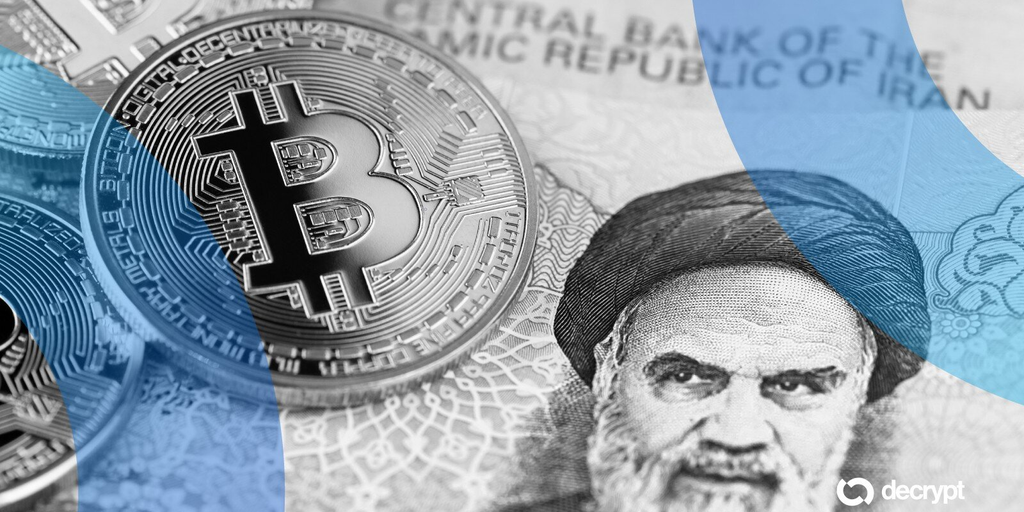
Why the macro shock matters—and where it might not - The proximate catalyst: U.S.-led strikes on Iranian targets drew retaliatory missile and drone attacks. Iran warned of further action. Shipping and aviation disruptions around the Gulf added to anxiety, especially with reports that Ayatollah Ali Khamenei’s 36-year tenure as Iran’s supreme leader had ended. Traders are watching whether the situation remains contained. - Energy channel: The focus is the Strait of Hormuz, a chokepoint that carries roughly one-fifth of global oil. Brent crude jumped about 8–10% toward $80 a barrel, and WTI rose roughly 7–8%. If oil holds elevated, inflation risk re-enters the conversation—typically a headwind for risk assets, including Bitcoin. Some expect large OPEC supplies to “plug the gap,” and anticipate President Donald Trump to do what he can to keep gasoline prices in check, because consumer sentiment often hinges on the pump. - Safe-haven rotation: Gold popped more than 2% to about $5,388 per troy ounce as investors sought ballast. Historically, geopolitical risk premia get priced quickly and then fade as the scope of conflict becomes clearer. That fading dynamic can lift assets that weather the first shock without breaking key levels.
Positioning over narrative The psychological pattern here is familiar: markets dislike uncertainty more than bad news. The moment traders sensed the confrontation might be bounded, bids returned. But the mechanical layer is what matters for Bitcoin now. Deeply negative funding means bears are subsidizing longs. If spot demand remains steady—even modest ETF or on-exchange spot buying would do—perps can flip from drag to accelerant. Conversely, if oil’s surge persists and equities bleed into cash hours, correlation risk can reassert and push crypto lower until funding resets.
What to watch next - Funding and basis: Sustained negative funding into flat-to-up spot is powder for squeezes. A lurch back to neutral would signal shorts have de-risked. - Oil persistence vs. shock: A brief supply scare is noise; a multi-week climb risks stickier inflation expectations and tighter financial conditions. - Gulf logistics: Any escalation of shipping or aviation disruptions around Hormuz would mechanically extend the energy bid. - Gold’s follow-through: A quick giveback would imply the market views the conflict premium as transitory.
Bitcoin didn’t “decouple” today; it front-ran a familiar regime shift. In stress, structures and incentives dominate. With fear extreme and shorts crowded, price action can turn asymmetrically higher on small improvements in the headline flow. If that flow deteriorates and oil stays bid, the path shifts the other way. That’s the trade-off the market is calibrating in real time.