
Iran’s ‘Hormuz Safe’ Bitcoin Marine Insurance Targets $10B—but Transparency Cuts Both Ways
Iran’s IRGC is backing “Hormuz Safe,” a Bitcoin-settled shipping insurance plan for the Strait of Hormuz that officials say could raise $10B. Sanctions, traceability, and insurer buy-in are the real tests.

Because Bitcoin
May 18, 2026
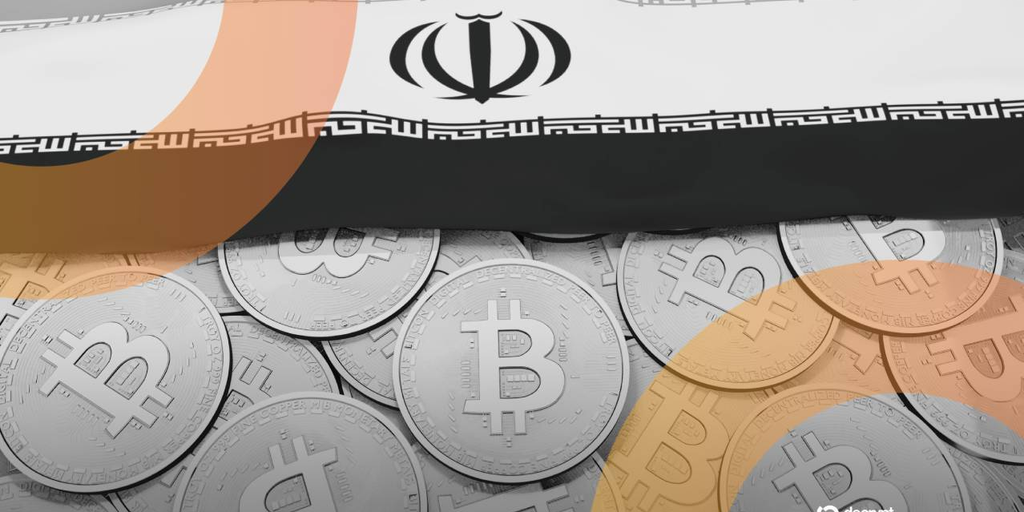
Iran is leaning on Bitcoin to monetize the world’s most sensitive oil chokepoint. The Iranian Revolutionary Guard Corps has promoted “Hormuz Safe,” a maritime insurance platform designed to settle cargo cover in Bitcoin for vessels moving through the Persian Gulf, the Strait of Hormuz, and nearby routes. State-affiliated reports say the Economy Ministry has explored the model since late April, pitching marine policies and financial responsibility certificates that could, on paper, generate more than $10 billion.
What’s being promised is speed and verifiability: policies described as cryptographically provable, coverage beginning at confirmation, and settlement in BTC. That follows reports over a month ago that officials sought Bitcoin payments from oil tankers for passage—arguing fees would be harder to trace or seize under sanctions. Predictably, copycat scammers then surfaced, impersonating authorities and demanding BTC or USDT from ships seeking clearance.
Here’s the tension that matters: Bitcoin may route around certain banking controls, yet it is also the most transparent settlement rail in history. Every transaction is public. As Wefi advisor Agne Linge has noted, Iran-linked wallet flows would be visible, coins could become “tainted,” and blockchain analytics firms would likely flag clusters—even if transfers move faster than channels Iran struggles to access. Investigators are already mapping adjacent infrastructure. Europol recently said it identified 14,200 links tied to the IRGC’s online propaganda ecosystem. Researchers like Andy Yajin Zhou point out that state-linked operations rarely rely on a single channel; they weave together social media, hosting, messaging, and crypto rails. Public ledgers can provide useful signals—fund paths, wallet groupings, links to exchanges or OTC desks—though sophisticated actors can still reduce attribution with one-time wallets, mixers, or informal settlement.
Industry practitioners see a narrow path. Dominick John of Zeus Research argues Bitcoin-settled insurance can exist as a workaround in niche, sanctioned trade but struggles to cross into mainstream shipping. The blockers are familiar: secondary sanctions risk, BTC price volatility, limited legal recognition, and an absence of credible insurer and reinsurer backing. Even if BTC settles premiums, crypto does not create counterparty trust or enforceable reinsurance agreements. Tiger Research’s Ryan Yoon goes further, calling the platform’s technical and legal viability highly doubtful, citing no confirmed users despite reports of a launch—and warning that participation could trigger immediate expulsion from the global financial system due to U.S. secondary sanctions.
From an operator’s perspective, the real choke point is enforceability, not payments. Shipowners and P&I clubs care less about how a premium is wired and more about whether claims get paid under pressure, whether reinsurance is recognizably binding, and whether courts—or any arbitration venue—will backstop disputes. Bitcoin cannot manufacture jurisdiction or compel performance. Add the practicalities: BTC liquidity for sizable claims, hedging volatility between quote and loss date, and fiat off-ramps for surveyors, salvors, and repair yards. Without credible, rated risk capital—or at least widely recognized guarantees—many shippers will treat this as a toll for already-sanctioned or gray-market cargo rather than real cover.
Signal from markets is mixed. On Myriad, a prediction platform, traders recently priced a 20% chance that a Trump announcement would end a Hormuz blockade before June, a 12% probability that Iran’s regime falls before October, and a 46.5% chance Iran closes its airspace before June. Those odds imply participants expect persistent instability in the near term—an environment where ad hoc insurance schemes can attract attention but face extreme scrutiny.
Could Hormuz Safe move some volume? Possibly, within a constrained circle of counterparties already outside dollar rails. But Bitcoin’s transparency, the threat of secondary sanctions, and the absence of enforceable reinsurance create a ceiling. If this evolves, expect more emphasis on pre-funded escrows, third-party claims administrators, and multi-sig structures—steps that might build trust at the margin but won’t neutralize the risks that keep mainstream shipping on the sidelines.