MENA Crypto Transactions Triple to $350B as Conflict Drives a Flight to Bitcoin
Digital asset volumes across MENA hit $350B in 2025–2026, up from $100B in 2022, as conflict reroutes capital into crypto and pushes Bitcoin’s market share to 64.8%.

Because Bitcoin
September 7, 2026
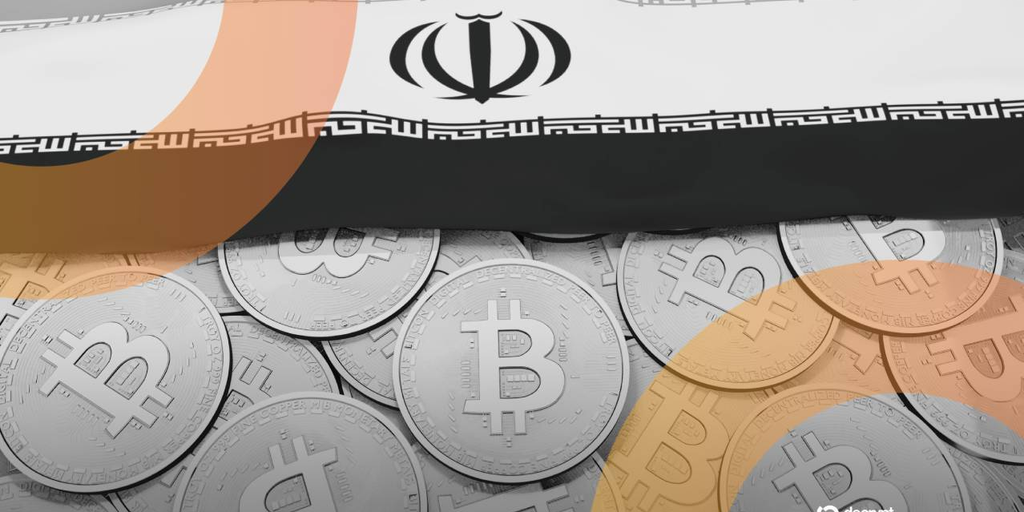
A new assessment of Middle East and North Africa crypto flows points to a sharp regime change: capital didn’t leave the region during the Iran conflict—it rotated inside it. Annual on-chain transaction value across MENA is estimated at $350 billion in 2025–2026, more than triple the roughly $100 billion recorded in 2022, according to the Bitcoin Policy Institute. That step-function shift says more about market structure than hype cycles.
The hinge point is the flight-to-quality dynamic within crypto. When hostilities between Israel and Iran escalated in June 2025, Bitcoin sold off alongside global equities as investors de-risked—classic beta behavior. What followed was the tell: money pivoted out of higher-volatility tokens into Bitcoin, lifting BTC’s market share to a one-month high of 64.8% and stabilizing prices despite ongoing fighting. In stress, liquidity concentrates where depth, fungibility, and rule simplicity are greatest; in crypto, that’s still Bitcoin.
Two design features amplified this rotation. First, crypto’s 24/7 rails stayed open while segments of traditional finance were shut or impaired, allowing continuous repricing and settlement when counterparties needed it most. Second, custody and exchange infrastructure in the Gulf kept running, preserving access. Gulf crypto businesses continued operating through the disruption, while regulated hubs in the UAE and Bahrain kept building—clear rulesets that welcome institutional capital are compounding advantages, not marketing copy.
Macro spillovers reinforced the move into harder digital money. Higher oil prices, inflation, and interest rates raised the cost of holding local currency risk. In markets such as Egypt, Turkey, Lebanon, and Iran—where depreciation has been a recurring tax on savings—households and SMEs increasingly rely on Bitcoin and dollar-pegged stablecoins to maintain purchasing power and transmit value when banks, FX desks, or remittance corridors are constrained.
Not every data point is large, but the direction is consistent. Chainalysis tracked about $10.3 million exiting Iranian exchanges between February 28 and March 2 this year after U.S.-Israeli airstrikes. That flow could reflect personal withdrawals, platform liquidity management, or state-linked actors—at minimum, it demonstrates how quickly balances can move under pressure. The magnitude is modest; the mechanism is the story.
Regulatory arbitrage is quietly reshaping regional market share. The UAE and Bahrain continue to court crypto firms and institutions via licensing frameworks tailored to broker-dealer, custody, and asset management functions. In May, Kraken’s parent, Payward, received preliminary authorization from Dubai’s Virtual Assets Regulatory Authority for broker-dealer and investment management activities. As sanctions, conflict, or currency instability nudge users in some countries toward decentralized rails, clear rules in the Gulf are pulling order flow, capital, and talent into onshore venues.
My read: conflict didn’t “prove” Bitcoin as an instant safe haven; it affirmed Bitcoin as the highest-quality asset inside crypto when risk is being repriced. That distinction matters for portfolio construction and policy. Traders reduced exposure to tail-risk tokens, centralized liquidity in BTC, and used always-on settlement to bridge gaps that legacy markets couldn’t. Meanwhile, ordinary users in weaker-currency economies prioritized stable purchasing power over yield, leaning on BTC and USD stablecoins as utilitarian tools, not ideological statements.
There’s a governance tension here. Open networks provide lifelines for savers and small businesses navigating capital controls and failing currencies. They also create pathways that authorities watch closely for sanctions evasion. The practical response is not to shut the venue; it’s to professionalize it—licensing, surveillance, and clear conduct standards at the gateway points without kneecapping the underlying rails. The Gulf’s approach suggests that balance is attainable.
For operators and allocators, the signal is clear: - Treat BTC dominance spikes as stress barometers and liquidity maps, not marketing victories. - Build for continuity—24/7 ops, redundancy, and predictable rules retain flow when it matters. - Watch FX stress in TRY, EGP, LBP, and IRR and oil’s policy channel; they remain leading indicators for regional crypto uptake.
Tripling to $350 billion is the headline. The takeaway is subtler: always-on infrastructure plus credible venues convert geopolitical shocks into internal reallocations rather than capital flight. That’s a different kind of resilience—and it compounds.