
Minnesota Eyes Statewide Ban on Bitcoin ATMs as Fraud Losses Climb
HF 3642 would bar cash-to-crypto kiosks across Minnesota amid elder fraud concerns. With 430 machines statewide and FBI citing $333M in losses, lawmakers weigh a first-in-US ban.

Because Bitcoin
February 27, 2026
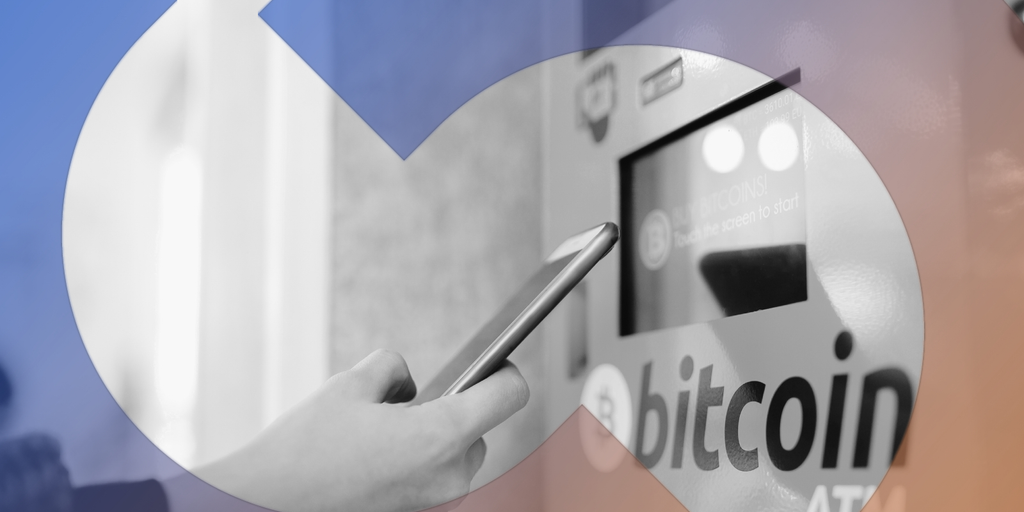
Minnesota is moving to shut down a key cash-to-crypto on-ramp. A bill filed Monday, HF 3642 from Rep. Erin Koegel, would prohibit physical kiosks that let customers buy digital assets with cash. The proposal follows mounting reports of elder fraud and would likely be the first blanket state ban in the U.S., echoing recent nationwide restrictions adopted in New Zealand.
The push comes despite the state adopting new rules in 2024: a $2,000 daily limit for new users, refund obligations, and a licensing regime for operators. That framework hasn’t stemmed abuse the way policymakers hoped. Law enforcement told legislators that older residents continue to lose tens of thousands of dollars to impostor schemes—often government- or tech-support themed—where victims are directed to feed cash into a Bitcoin ATM and send funds to a scammer’s address. One case discussed at the hearing involved a woman who sent Bitcoin in 10 separate transactions over six months, draining roughly half her monthly income before authorities intervened.
Scale and pressure points are clear. Minnesota hosts about 430 crypto ATMs, concentrated around Minneapolis, according to Coin ATM Radar. Nationally, the FBI tallied $333 million in losses tied to crypto ATMs last year. A local police chief told the committee that once funds move on-chain, recovery is rarely feasible—speed and irreversibility work against victims. Rep. Keith Allen added that rural communities have likely seen millions exit locally that could have supported more productive uses.
Operators know the problem. CoinFlip’s general counsel Larry Lipka acknowledged at the hearing that scammers target their machines, while noting bad actors have many channels. Separately, the largest North American operator, Bitcoin Depot, said this week it will require identity verification for every transaction as part of a voluntary compliance upgrade. That change followed a lawsuit from Massachusetts Attorney General Andrea Campbell this month, alleging the company facilitated fraud by weakening safeguards and misleading customers. Bitcoin Depot has rejected the accusations, emphasizing its compliance posture and cooperation with law enforcement, per recent statements.
The real question isn’t whether scams exist—they do—but whether outlawing ATMs addresses the failure mode or merely shifts it. Cash-to-crypto kiosks blend two attributes criminals exploit: anonymity of cash and the finality of crypto settlement. Remove the machine and activity may migrate to riskier rails (gift cards, P2P, money mules), where oversight is even thinner and data for investigators scarcer. Keep the machine and you inherit a duty to reengineer the product against human manipulation.
There are practical defenses regulators could mandate that go beyond blunt caps: - Mandatory ID for every transaction, not just over thresholds - Dynamic limits and delayed settlement when AML/fraud heuristics trip (e.g., first-time wallet, scripted deposit cadence, high-risk merchant locations) - On-device friction: real-time scam questionnaires, recorded confirmations, and cooling-off timers for users over a set age band or risk score - Geo-governance: stricter controls near senior centers and high-incident ZIP codes - Transaction holds with vouchers redeemed later, allowing intervention before on-chain broadcast where business models permit - Shared watchlists for scam wallet addresses and coordinated operator law-enforcement hotlines
Minnesota’s 2024 rules were a start, but they focused on static limits and licensing. The current bill opts for prohibition. If HF 3642 advances, the state will send a strong signal to other jurisdictions weighing similar moves after New Zealand’s example. If it stalls, expect a pivot toward tighter, tech-driven safeguards and uniform KYC as the industry tries to prove these kiosks can function as compliant, consumer-protective on-ramps rather than a soft target for social engineering.
Either path carries trade-offs. A ban might reduce immediate harm yet push activity into darker corners; a redesign demands stringent, measurable outcomes. Policymakers don’t need perfection—just a framework that measurably cuts victimization without erasing access for legitimate, cash-reliant users. That’s achievable, but it requires treating ATM UX, data, and enforcement as a single system, not separate checkboxes.