
Privacy Coins Shed ‘Hedge’ Aura as Zcash, Monero, and Dash Slide with Bitcoin
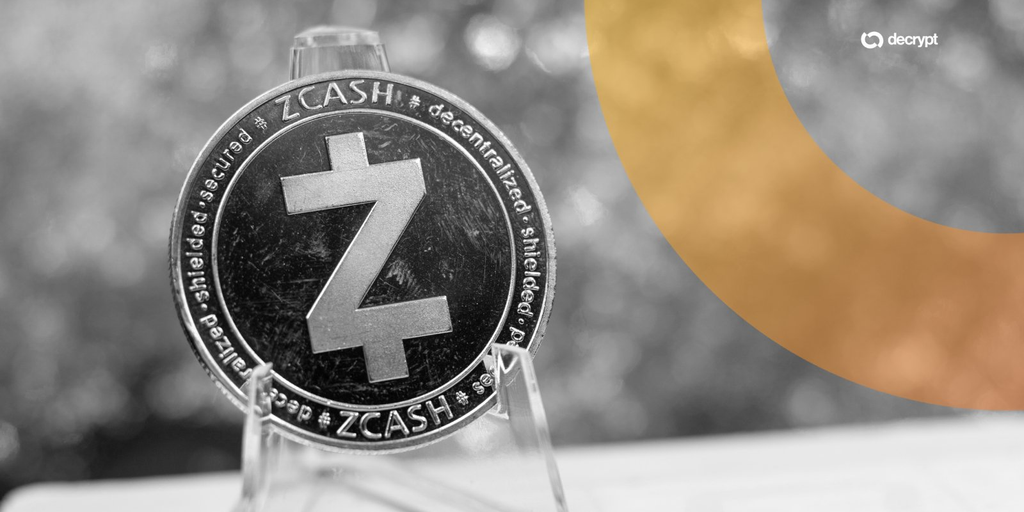
Zcash (-8.5%), Monero (-5.4%), and Dash (-3.9%) fall as privacy coins track a broad crypto pullback. Analysts point to ETF-driven macro forces and a fading safe‑haven narrative.

Because Bitcoin
December 2, 2025
Privacy tokens that had sprinted through Q4 just hit the brakes. The privacy coin basket is down 15.4% over 24 hours, per CoinGecko, with Zcash off 8.5%, Monero lower by 5.4%, and Dash down 3.9%. The move mirrors the broader crypto drawdown and underscores an uncomfortable truth for this niche: price action is no longer decoupled from Bitcoin’s regime.
The fulcrum here is the “safe haven” story. Slava Demchuk, CEO at AMLBot, argued that markets finally priced in reality. For coins such as Zcash and Dash, he noted, the majority of on-chain activity still occurs on transparent rails. When usage skews public by default, the market treats these assets less as indispensable privacy tools and more as narrative-driven high beta. That shift in perception explains why they now swing like other speculative altcoins rather than acting as portfolio ballast.
The macro overlay reinforces that re-correlation. Jamie Elkaleh, CMO at Bitget Wallet, pointed to the post-ETF market structure—large capital inflows, positioning around listed products, and the constant repricing of monetary policy expectations. In that world, privacy assets behave less like idiosyncratic hedges and more like levered exposure to crypto risk. When liquidity tightens or rate expectations bite, beta sectors get hit first.
Importantly, the long-term drivers for privacy tech have not vanished; they are simply not dominating price discovery this week. Demchuk outlined the three recurring catalysts behind past rallies: - Breakthroughs in cryptographic privacy. - Political and regulatory flashpoints—think the EU’s “chat control” push or clampdowns on anonymous accounts—that can abruptly increase perceived need, as happened as recently as October for Zcash. - Genuine risk-based demand in jurisdictions where fully transparent ledgers create real-world exposure for individuals and businesses.
Governance also matters, often more than traders admit. Vitalik Buterin recently warned that moving Zcash from committee governance toward token voting could weaken its privacy assurances—a reminder that decentralization design choices can directly affect user safety, not just brand ethos.
My read: the core tension isn’t whether privacy matters—clearly it does. It’s that markets currently price these assets as liquidity proxies rather than essential infrastructure. As long as ZEC’s shielded usage lags transparent flows and Dash’s privacy remains optional, the investor base will trade them like high-beta satellites to Bitcoin. That framing is both a vulnerability and an opportunity. It means drawdowns can be outsized. It also means that when Bitcoin stabilizes and risk appetite rebuilds, these names tend to outpace on the way up.
Both Demchuk and Elkaleh expect any recovery to depend on Bitcoin finding a higher, steadier footing. Historically, liquidity rotates outward from BTC into higher-beta sectors as confidence returns, and privacy coins have often outperformed during those rotations. For allocators, two signposts matter: 1) Bitcoin stability and easing macro stress; 2) credible progress toward default-private usage and governance that defends, rather than dilutes, privacy guarantees. Without those, the sector will keep trading the cycle; with them, the hedge narrative could earn back some credibility.