
Sanders and Warren Press Labor Department to Scrap 401(k) Crypto Plan, Cite Fiduciary Risks and Trump Ties
U.S. senators urge the Labor Department to drop a rule easing Bitcoin, crypto, private equity, and private credit in 401(k)s, warning diluted ERISA prudence and Trump-linked conflicts.

Because Bitcoin
June 3, 2026
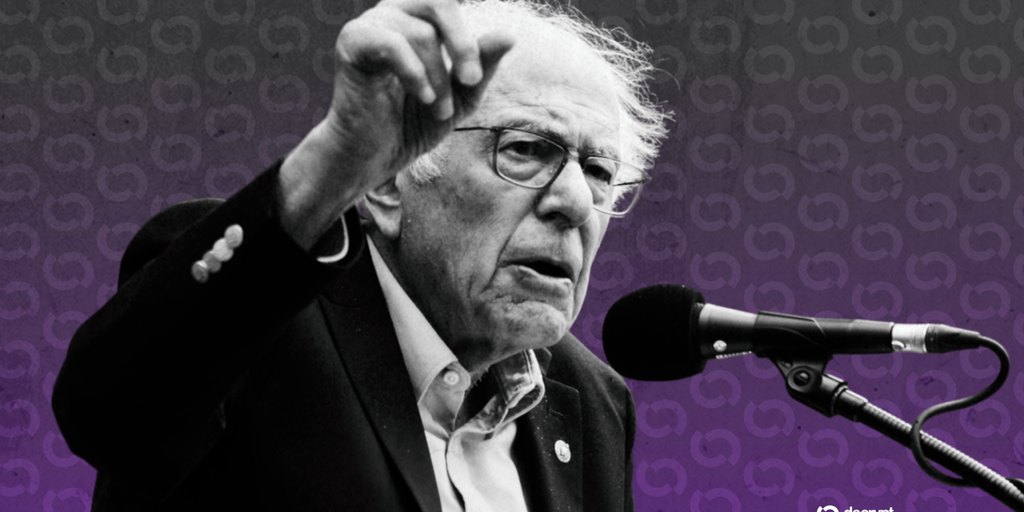
Two leading progressives want the brakes slammed on a retirement-policy shift that could open 401(k) menus to Bitcoin and other alternative assets. In a 14-page letter sent Monday, Senators Bernie Sanders (I‑VT) and Elizabeth Warren (D‑MA)—joined by Rep. Bobby Scott (D‑VA)—asked Acting Labor Secretary Keith Sonderling to withdraw a proposed rule that would widen fiduciary cover for plan sponsors to offer crypto, private equity, and private credit.
The proposal, floated in March, would effectively grant fiduciaries immunity if they document that “various factors” were considered before adding these volatile and opaque assets to 401(k) plans. The lawmakers argue that flips ERISA’s core prudence test on its head—presuming diligence rather than requiring it—at odds with longstanding Supreme Court interpretations and the 1974 statute’s architecture.
The flashpoint isn’t simply Bitcoin volatility. It’s the proposed inversion of the fiduciary standard in a $10 trillion market where plan design choices ripple through default options, participant behavior, and recordkeeping practices. If “we considered it” becomes a shield, sponsors could feel freer to list complex products alongside target‑date funds, nudging risk onto workers who often anchor on menu availability as a heuristic for safety.
They also highlight a potential conflict: loosening safeguards could vastly expand distribution for digital assets associated with President Donald Trump and his family—citing World Liberty Financial’s WLFI and USD1, as well as a Trump‑branded meme coin. With broader 401(k) access, those products could find a far larger audience, raising questions about private gain intersecting with public rulemaking. The senators contend the change would harm workers and run counter to statute, congressional intent, existing regulations, and case law.
Context matters. Last August, President Trump signed an executive order directing the Labor Department to reexamine its stance on alternative assets in retirement plans, paving the way for this proposal. Supporters of broader access argue new options could modernize menus and improve long‑run outcomes. Analysts have even suggested that allowing crypto in retirement accounts could steer hundreds of billions of dollars into the digital asset market over the medium term—capital that might lift liquidity and price discovery.
My read: the critical variable is operational prudence, not ideology. Crypto’s 24/7 markets, custody requirements, and episodic liquidity crunches sit awkwardly with daily‑valued plans and participants who infer “suitability” from inclusion. Private equity and private credit introduce their own valuation lags and opacity. A rule that softens the evidentiary burden from “demonstrate prudence” to “we considered factors” increases the chance of checklist compliance without true risk underwriting. That creates moral hazard for sponsors, sales pressure for providers, and behavioral hazards for savers who chase recent returns.
There’s a cleaner path if policymakers insist on access: limit exposure to professionally managed sleeves with strict caps, conflict disclosures, audited NAV methodologies, cold‑storage custody standards, and no marketing into default options. Absent that, presuming prudence feels like an invitation to litigate after the next drawdown.
The department did not respond to a request for comment. The debate won’t fade quickly; it sits at the intersection of innovation, retirement security, and perceived conflicts. Crypto can belong in portfolios under the right governance. The question here is whether the rule, as drafted, strengthens that governance—or papers over it in a market that rarely forgives weak controls.