Saylor’s Pivot: Strategy Dumps $105M in BTC to Back STRC, Builds Cash War Chest
Strategy sold $104.7M in Bitcoin and $291M in MSTR shares to fund STRC dividends and buybacks, extend runway to $4B, and pause BTC accumulation—while markets turn green.

Because Bitcoin
August 4, 2026
Bitcoin maximalism meets balance-sheet reality. Strategy sold 1,638 BTC for $104.7 million last week, per its latest 8-K, trimming holdings to 842,138 coins from 843,775. The average sale price was $63,957—about $11,500 below the company’s $75,419 cost basis—marking a rare disposal at a loss. It hasn’t added since June 22, its longest accumulation pause to date. Alongside, the firm offloaded $291 million in MSTR shares.
Where the money went matters. Roughly half the BTC-sale proceeds—$52.4 million—funded dividends on the company’s preferred stock, and another $52.3 million helped finance an $81 million buyback of those STRC preferreds. That’s the second such repurchase in two weeks under a $1 billion authorization. The remainder padded cash, now at $4 billion, which management frames as 2.3 years of runway.
Why this maneuver? STRC has traded below its $100 par value since mid-May. When a preferred drifts under par, the entire capital stack can feel heavier: distributions look less certain, debt-like claims crowd equity optics, and the equity story loses air. Buying back STRC below par and keeping dividends current can relieve pressure, but it comes at a cost—selling BTC at a loss and issuing MSTR, which dilutes common holders.
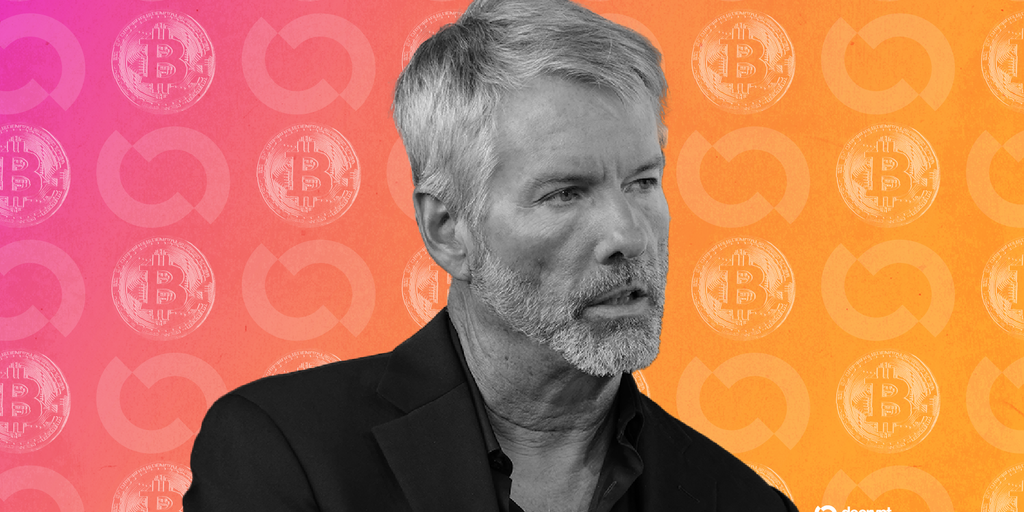
This is a textbook reflexivity problem. Strategy’s brand has been “convert cash flows into Bitcoin, never sell,” amplified by Michael Saylor’s rhetoric over the years (at times urging extreme personal commitment to holding BTC). Yesterday he clarified that stance: he says he personally hasn’t sold a satoshi and that the public company may buy or sell Bitcoin to manage capital, something it has disclosed since 2020. That distinction is fair from a corporate finance standpoint, yet it still introduces friction. When the narrative is diamond hands but the treasury is an active tool, investors start repricing the probability that BTC will be used to defend other obligations.
The deeper risk isn’t a single week’s sale—it’s signaling. Once markets believe BTC is a liquidity backstop for preferreds or other instruments, the Bitcoin treasury becomes less a strategic reserve and more a margin account. That can change how counterparties model risk, how equity holders discount future dilution, and how credit-sensitive holders of STRC behave into stress. On the other hand, retiring discounted preferreds and extending runway can reduce structural fragility if executed decisively and transparently. The equilibrium will likely hinge on whether this remains a short, surgical defense or evolves into an ongoing pattern.
Notably, Bitcoin’s tape is telling a different story. Despite a $100M+ Coldcard-related hack headline and Strategy unloading over $100M in BTC, price is roughly flat week-over-week. When negative catalysts stop moving price, it often signals a late-stage digestion phase in a cycle—seller exhaustion, positioning light, and a market waiting for a new impulse.
Market wrap - Majors: BTC +2% to $63.8k; ETH +2% to $1,870; SOL +2% to $73.90; HYPE +5% to $55.50. ATOM +8%, PUMP +6%, AVAX +6%. - Commodities/Equities: Oil steady at $79.50; Gold +0.6% to $4,115. U.S. stock futures green: Dow +0.7%, Nasdaq +0.9%. - Solana governance: A paired proposal entered initial voting to raise annual disinflation to 30%, cut token emissions by an estimated $1.36B over six years, and boost daily fee burns from ~650 SOL (~$47K) to ~9,000 SOL (~$646K). - Tokenized funds: BlackRock launched tokenized money market funds on Solana and Ethereum via Securitize, investing entirely in cash and short-term Treasurys with onchain ownership records. - Flows and retail pulse: The Coinbase BTC Premium Index notched a record 78 consecutive days negative, hinting at persistent softness in U.S. retail bid. - Platform shock: Telegram briefly disappeared from Apple’s App Store, sending GRAM down ~10% intraday; it’s now off about 1%. - Enforcement oddity: A former FBI counterintelligence agent was charged with stealing roughly $1 million in crypto from investigative wallets, then reportedly asking ChatGPT about investing and relocating to Europe. - ETFs/Treasuries: U.S. Bitcoin ETFs saw $170M net inflows Monday; ETH ETFs posted $12M net outflows. Tom Lee’s BitMine added 10,399 ETH, lifting holdings to ~5.8M ETH (~4.8% of supply), and repurchased 4.5M of its own shares.
Memecoins and DeFi - Benchmarks: DOGE +2%, SHIB +4%, PEPE +2%, PENGU +1%, TRUMP +2%, BONK flat. - Robinhood Chain: Cashcat +43%, Tendies +54%, Frong +25%; Stonkbroker +5% to $40M. - Solana plays: DOOM +130x, Tiktok +115x, OnlyMarms +440%; CATE cratered from $80M to $10M and finished down 30% at $30M.
Apps, protocols, and revenues - Fomo app broke into the U.S. App Store’s top 10 finance apps, posting a record week: $378M trading volume, $2M+ fees, and ~34k daily traders on average. - Robinhood Chain TVL topped $400M. - Pump Fun printed its highest weekly revenue since March: $9.23M (PUMP +6%). - POAP said it will wind down after five years, citing the challenge of profitability without undermining its ethos.
NFTs - Floors: CryptoPunks steady at 32.3 ETH; BAYC +3% to 8.41 ETH; Pudgy +1% to 3.88 ETH; Stonkbrokers -7% to 6.4 ETH. - Movers: Pitboys +43%, Cashcats +50%, Zaibatsu +540%.
TokenWorks - Ahead of today’s 3 pm ET trading start for FWA, TokenWorks outlined an 80% fee-driven buyback policy for FWA, allocating 10% of existing fees to a team treasury and reducing platform fees.
The through line across all of this: capital structures are being actively engineered—by blue-chip treasuries, layer-1s, and token platforms alike. The winners tend to be those who communicate constraints early, keep optionality, and avoid turning their crown-jewel asset into a routine rescue line.