
Texas lawsuit targets MARA’s Granbury Bitcoin mine over relentless noise as miners pivot to AI
Nine Texas residents sue MARA Holdings, alleging nonstop low-frequency noise from its Granbury Bitcoin mine, as miners repurpose sites for AI and HPC amid growing community pushback.

Because Bitcoin
May 4, 2026
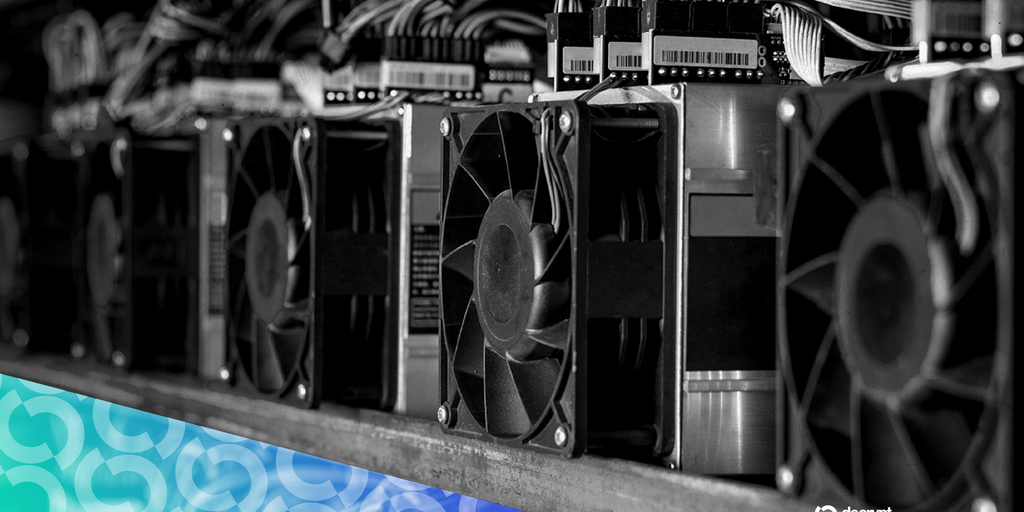
Texas just became a litmus test for how crypto miners handle the externalities of industrial-scale compute. Nine residents near MARA Holdings’ Bitcoin mining site in Granbury filed a federal complaint alleging round-the-clock noise, vibrations, and low‑frequency sound that disrupt daily life, damage health, and depress home values. The suit, first noted by Blockspace, was lodged Friday in the Northern District of Texas, seeks more than $1 million in damages, and requests a jury trial.
The families—some living roughly 0.01 miles from the facility—say the site’s cooling systems run continuously, pushing sound into their homes and causing noticeable vibrations. Residents report insomnia, headaches, tinnitus, anxiety, and fatigue; some cite hearing loss and hypertension. They also describe changes in livestock behavior and a drop in local wildlife activity. According to the filing, conditions intensified after MARA assumed operations in 2024, rendering homes harder to occupy and diminishing property values. The complaint brings four claims: private nuisance, negligence, intentional infliction of emotional distress, and restitution, arguing MARA failed to mitigate known impacts.
MARA has publicly stated it is working with the community. In March 2024, the company said it aimed to be a considerate neighbor and was soliciting input. The firm says it has shut down some air‑cooled units, erected sound barriers, and is shifting toward liquid immersion cooling. Residents counter that these measures haven’t solved the problem. Attorneys for both sides did not immediately respond to requests for comment.
Here’s the single point that matters for operators right now: acoustic engineering will decide who actually wins the AI/HPC pivot. Miners are repurposing Bitcoin sites for artificial intelligence and high‑performance computing, leveraging existing power and cooling footprints to secure compute contracts. That reuse looks efficient on a spreadsheet, yet legacy air‑cooled arrays with high static‑pressure fans create low‑frequency noise that travels farther and penetrates structures more easily than many residents expect. When facilities run 24/7, the perceived burden compounds—especially at night—turning “background hum” into a constant stressor that people can’t adapt to.
Immersion cooling isn’t just an energy play; it’s a community license to operate. Properly executed, immersion slashes fan noise, raises rack density, and reduces tonal peaks that trigger nuisance claims. But partial retrofits and perimeter walls rarely fix infrasound complaints; they often shift frequencies rather than eliminate them. The business calculus is straightforward: the net present value of AI/HPC contracts can justify full acoustic remediation—full immersion conversion, enclosure redesign with absorptive linings, fan curve optimization, and nighttime curtailment policies. Skipping that investment leaves operators exposed to litigation, curfews, or forced derating, which can be far more expensive.
There’s also a trust deficit to manage. Communities respond better to transparent, third‑party noise studies (including dBA and dBC metrics), public dashboards, and binding timelines with escrowed funds for remediation. Some operators are finding that strategic property buyouts and buffer zones are cheaper than endless disputes. Others are negotiating acoustic easements paired with ongoing compensation. Without mechanisms like these, “engagement” reads as delay rather than solution.
Zooming out, the Granbury dispute lands as data center expansion faces broader resistance across the U.S.—over noise, power draw, water consumption, and local resource strain. Maine just enacted the first statewide moratorium on new large‑scale AI data centers, reflecting rising skepticism. If miners want durable AI/HPC revenue, they will need data‑center‑grade acoustic standards, water stewardship plans, and zoning buffers baked in from site selection—not bolted on under legal pressure.
This case is not about opposition to compute; it’s about who pays for the externalities. Operators that internalize the true cost of acoustics and move decisively to immersion and real mitigation will keep growing. Those that treat sound as a PR issue will learn it’s a capacity constraint with a court date.