
Tokenization Steps Into Focus as BTC Holds $90.3K; ZEC Jumps 11%, Florida Eyes a Bitcoin Reserve
Markets steady ahead of a Supreme Court tariff ruling. ZEC +11%. Morgan Stanley plans a tokenization-ready wallet as Florida revisits a Bitcoin reserve, and Ethereum’s exit queue clears.

Because Bitcoin
January 10, 2026
Crypto markets were quiet into a U.S. Supreme Court opinion on Trump-era tariffs, while a handful of alts stole the tape. The bigger story isn’t price—it’s rails. Institution-grade wallets and stablecoin infrastructure are finally converging.
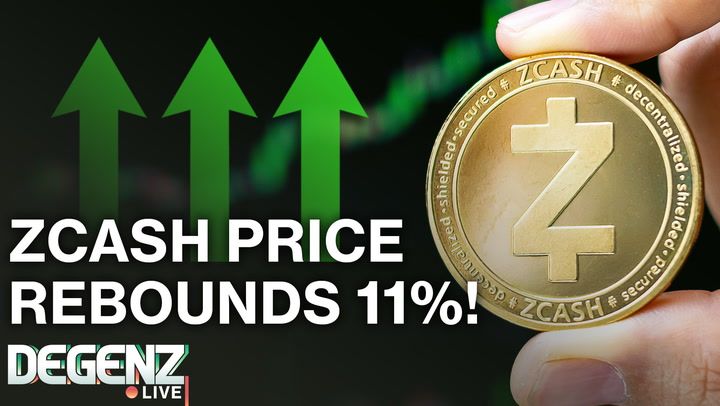
- BTC hovered near $90,300 (+1%) - ETH traded around $3,090 - SOL advanced to $138 (+3%) - XRP ticked up to $2.10 (+1%) - Top movers: Polygon (+11%), ZEC (+11%), syrup (+7%)
Zcash’s 11% rebound caught attention, but the more durable shift may be the plumbing that underpins flows. Morgan Stanley plans to roll out a digital wallet later this year with potential support for tokenized assets, including private-company equity. In parallel, Polygon Labs introduced the Open Money Stack to streamline stablecoin payments, and Polygon is reportedly nearing a deal for Coinme, a large Bitcoin ATM operator.
This is the moment to watch “distribution meets compliance.” If a bulge-bracket broker brings tokenized securities into a name-brand wallet, the marginal investor doesn’t have to navigate unfamiliar UX or questionable custody. You move from speculative on-ramps to policy-based wallets with approvals, audit trails, and embedded investor protections. That shift tends to change behavior: wealth managers become more comfortable allocating to on-chain instruments when onboarding, reporting, and controls resemble what they already use. Ethically, there’s a trade-off—better safeguards can come with tighter gatekeeping. The balance between broad access and institutional guardrails will define who benefits from tokenization first.
Polygon’s Open Money Stack targets the other side of the equation—transactional velocity. Stablecoin payment rails that feel “instant and final” remove friction for merchants and fintechs. If Polygon does acquire Coinme, it links software rails to physical cash-in/cash-out—useful for remittances and underbanked users who still rely on kiosks and ATMs. Business-wise, that’s a classic two-sided network: issuers and consumers on one side, distribution endpoints on the other. It also pressures take rates across payments and remittance corridors that have historically leaned on fees rather than speed.
Underneath, Ethereum’s validator exit queue has fully cleared, easing the backlog that had constrained validator withdrawals and impacted liquid staking protocols. Cleaner validator churn lowers operational risk for staking providers and improves liquidity expectations for LST holders—another incremental fix that makes institutional risk teams more comfortable.
Macro sentiment isn’t hostile. JPMorgan suggested the early-year Bitcoin and Ethereum sell-off could be stabilizing, citing improved positioning and less downside pressure. Bank of America upgraded Coinbase to Buy, pointing to better regulatory clarity, rising institutional participation, and stronger long-term earnings visibility; that blend typically coincides with more predictable volumes and custody revenue.
Policy continues to press in from the edges. Florida lawmakers renewed a push for a state-level Bitcoin reserve—symbolic for some, fiscally meaningful for others. It’s a signal that public treasuries are still exploring BTC as a strategic asset, even if size and execution may start small. Elsewhere in politics, Donald Trump said he would not pardon FTX’s Sam Bankman-Fried, a reminder that enforcement narratives remain live and can influence risk perception around centralized intermediaries.
Net-net, prices look orderly, but the architecture is changing. A Wall Street wallet that can hold tokenized equity, a stablecoin stack designed for mainstream payments, and smoother validator mechanics on Ethereum point to a year where infrastructure—not headlines—drives adoption. Traders will watch ZEC and Polygon’s momentum, but allocators will likely track who owns the rails and how value accrues as tokenized assets meet compliant distribution.