
Zcash’s ‘Encrypted Bitcoin’ Pitch Gains Traction as ETFs Intermediate BTC and US Scrutiny Hits CoinJoin
Zcash rallies on privacy momentum, with advocates touting it as “encrypted Bitcoin” amid ETF intermediation and US pressure on CoinJoin tools. Data, context, and what matters next.

Because Bitcoin
November 5, 2025
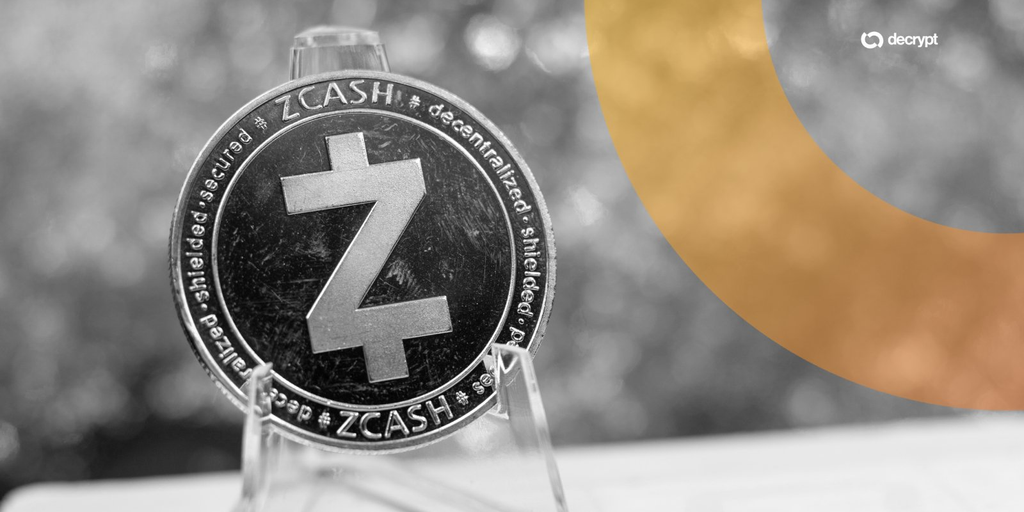
Zcash’s latest run looks less like a tech breakthrough and more like a narrative repricing. As Bitcoin migrates onto Wall Street rails via ETFs and US prosecutors squeeze privacy add‑ons, investors are revisiting a base‑layer alternative that kept Bitcoin’s monetary DNA and upgraded its privacy. Galaxy Digital analyst Will Owens captured the mood: advocates increasingly frame Zcash as “encrypted Bitcoin.”
The pitch is simple: Zcash, launched in 2016, was forked from Bitcoin’s codebase and preserved a 21 million cap, proof‑of‑work consensus, and four‑year halving cycles. Where it diverges is design, not doctrine. Using zero‑knowledge proofs, users can shield transactions end‑to‑end, addressing privacy limitations that Satoshi Nakamoto acknowledged early on. Bitcoin, by contrast, remains fully transparent by default; ETF adoption hasn’t changed that, it has only added intermediation through custodians.
Price action reflects the shift in perception more than any recent protocol change. After years of underperformance versus Bitcoin, ZEC has climbed nearly tenfold in two months—from $40 to $396—having notched a seven‑year peak of $376 in October, according to CoinGecko. Zcash now sits around a $6.5 billion market cap, with Monero and Litecoin close by at roughly $6.44 billion and $6.43 billion, respectively. The move has reignited interest across the privacy cohort: over the past week, Dash jumped 162% to $122 and Decred rose 139% to $41.
One force behind the rotation: the collapse of workaround privacy on Bitcoin. CoinJoin—long a go‑to obfuscation technique—has run into mounting US regulatory pressure. Federal prosecutors this week said they would seek the maximum sentence for Samourai Wallet founders Keonne Rodriguez and William Lonergan Hill, who were arrested last year and have since pleaded guilty to conspiring to operate an unlicensed money transmitter. A month after those arrests, Wasabi banned US customers and preemptively shut its privacy‑preserving service. When the add‑ons get chilled, investors often look to the base layer.
That is where Zcash’s core dynamic matters. Shielded transactions feed an “anonymity set” flywheel: as more value enters the shielded pool, tracing gets harder because flows co‑mix at larger scale. Roughly 30% of ZEC’s supply is now shielded, a datapoint Owens flagged as critical. In privacy systems, size compounds protection; a bigger set generally means stronger guarantees for individual users. The market appears to be pricing that compounding effect, not a code change.
There’s also psychology at work. For investors uneasy about pervasive on‑chain surveillance—or the idea that Bitcoin’s US narrative is hardening around ETF wrappers and qualified custodians—holding some ZEC can feel like a portfolio hedge on cypherpunk principles. That sentiment is getting oxygen from vocal builders; figures like Mert Mumtaz have argued that promoting privacy tools materially improves real‑world privacy properties, especially as more users opt into shielded activity.
Still, it would be naïve to ignore frictions. Exchanges and on‑ramps can tighten access, and policymakers often treat privacy‑enhancing tech with suspicion, regardless of legitimate use cases. Zcash’s proof‑of‑work footprint competes for hash and attention in a market dominated by Bitcoin’s mining economics. And the trade isn’t purely narrative: if shielded volumes stagnate, the anonymity‑set advantage weakens, and so does the investment case. Monero’s durable community and liquidity remain a competitive reality.
The ETF era doesn’t kill Bitcoin’s cash ambitions, but it does make the mainstream path more intermediated. Zcash’s surge suggests a subset of the market wants both Bitcoin‑like monetary policy and protocol‑level privacy. Watch two metrics to gauge staying power: the percentage of supply that’s shielded and the ease of moving ZEC across regulated venues. If the shielded pool keeps growing while access remains workable, the “encrypted Bitcoin” label will continue to resonate.