
Zcash Jumps 7% as ZODL Raises $25M to Scale Privacy Wallet and Core Dev, Beating Bitcoin’s Rebound
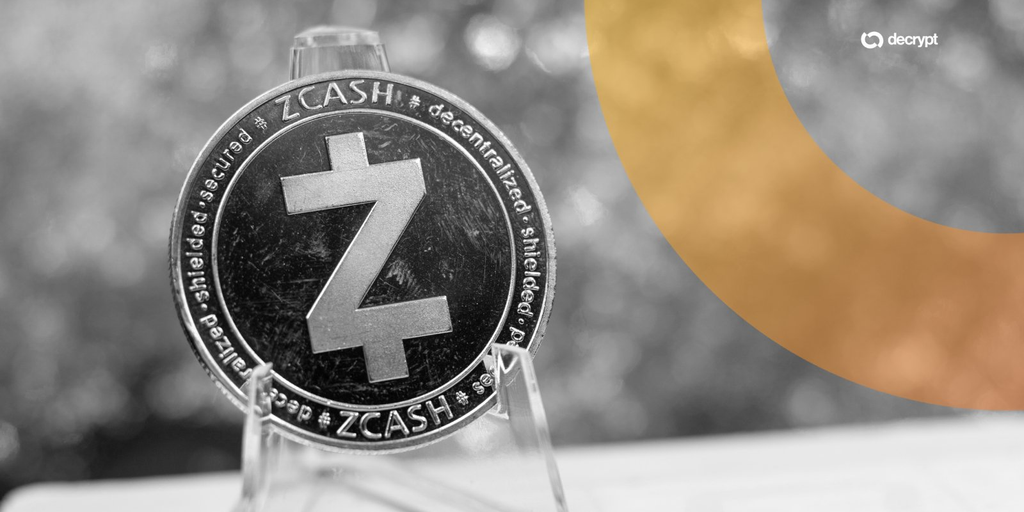
Zcash (ZEC) rose 7%, outpacing Bitcoin’s ~3% move, after ZODL secured $25M to expand the Zodl wallet and protocol work. ECC’s full team migrated to ZODL to push usability and interoperability.

Because Bitcoin
March 10, 2026
Zcash just got a clear vote of confidence. As markets steadied, ZEC climbed 7% in 24 hours—outpacing Bitcoin’s nearly 3% move to a touch above $69,000—after Zcash Open Development Lab (ZODL) unveiled a $25 million raise to expand its wallet and core protocol work.
The catalyst here isn’t a headline about “privacy” in the abstract; it’s product traction. ZODL—founded by former Electric Coin Company (ECC) CEO Josh Swihart—has centered its strategy on the Zodl wallet (formerly Zashi). Since launching in 2024, that wallet has grown Zcash’s shielded pool by more than 400% and facilitated over $600 million in ZEC swaps since October 2025. That kind of liquidity in shielded rails matters: it reduces friction for private payments, increases transactional density where it counts, and gently shifts the network’s center of gravity toward the features that differentiate ZEC.
The financing comes from a heavyweight roster: Paradigm, Andreessen Horowitz, Winklevoss Capital, Coinbase Ventures, Zcash treasury firm Cypherpunk Technologies, and angels including Balaji Srinivasan, Haseeb Qureshi, and Mert Mumtaz. ZODL said the round will fund hiring—especially engineers—and reflects investor conviction in privacy-first finance, the Zcash ecosystem’s trajectory, and this team’s ability to execute.
Continuity is the other quiet advantage. In January, ECC’s entire team departed and migrated to ZODL, bringing the engineers who built Zcash’s core systems. That shift keeps protocol development on track while ZODL pushes a self-custodial, open wallet positioned for broader ecosystem interoperability. The emphasis is clear: usability-led technical progress, not features for features’ sake.
Context helps frame the move. Launched in 2016 with input from Edward Snowden, Zcash was designed to offer stronger on-chain privacy than Bitcoin, making transactions harder to trace. Investor interest resurfaced last fall, with ZEC rallying from roughly $50 in September to nearly $700 in November—still well below its 2016 peak of $3,191. Recently, ZEC has traded around $215 and remains down about 11% over the past month even with today’s pop.
Why this matters now: wallets decide what users do, and what users do ultimately decides value capture. If ZODL keeps turning privacy into a one-tap experience—abstracting keys, fees, and routing while preserving self-custody—the shielded pool can deepen further. That unlocks better liquidity for private swaps, improves plausible deniability for everyday transfers, and gives exchanges and fintechs cleaner integration paths. The business angle is straightforward: distribution through a high-utility wallet can become Zcash’s demand engine.
There are trade-offs to watch. Concentrating core development in a single organization can accelerate progress but can also centralize influence. Interoperability ambitions invite guardrails from partners and regulators, which could shape design choices around metadata, compliance hooks, or default privacy levels. Investor psychology cuts both ways: a blue-chip cap table buys time and attention, yet the market will likely want evidence—higher shielded usage, rising swap volumes, and stable liquidity—before it rewards ZEC with a durable repricing.
Near-term, the 7% outperformance looks like event-driven repricing more than a regime shift. The sustainability of that move will hinge on a few metrics: continued growth in the shielded pool, active users transacting via Zodl, aggregate swap flow, and the pace of protocol ergonomics that make private transactions feel routine. If those vectors hold, the wallet becomes the wedge that turns Zcash’s core promise into daily habit—and that is where narrative turns into fundamentals.